




By: Corinne Clarkson
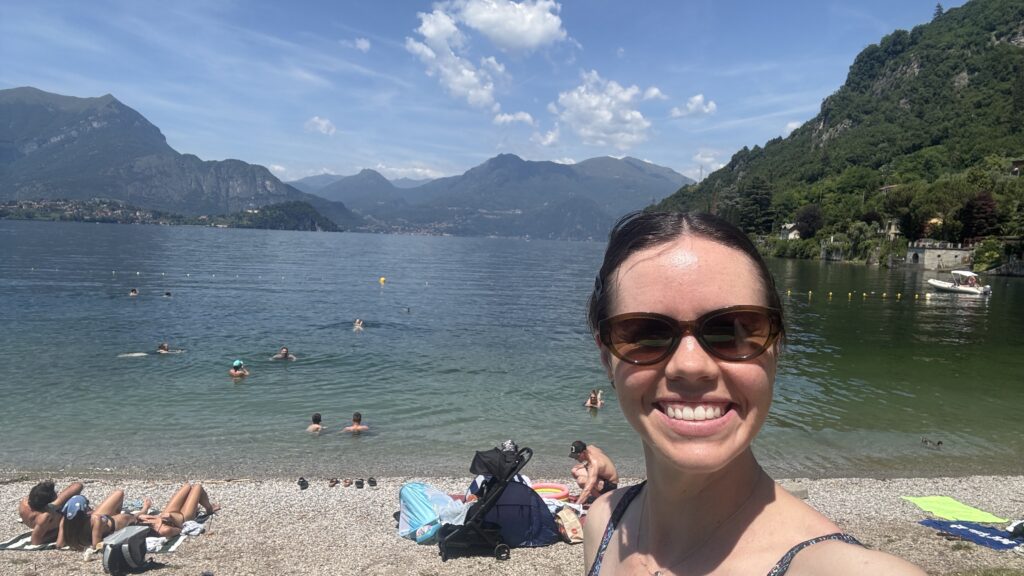
This spring I was at the dentist office talking with my hygienist, Laura. Emerging from a long, smoggy winter, I was excited to explore nearby Lake Como. As Laura wiggled both hands and four metal tools into my mouth, I asked her through a series of muffled grunts if she had any recommendations of beaches. She recommended a beach up north, near the town of Colico.
“Is the water nice?” I asked once she removed herself from my face
She paused, and blinked, and cocked her head.
“Uhhh, I don’t know,” she finally responded. “I just know it’s great for tanning.”
When I moved to Italy I expected cultural changes. I armed myself with basic Italian, Google Maps, and proper cathedral etiquette. No one could have prepared me for the baptism into Italy’s secondary religion : their worship of the sun, on the altar of a beach towel.
I am grossly un-prepared for Italian sunbathing culture. I have a skin tone that can only be described as corpse-like. My birthday suit is better adapted to the inside of a deep cave, not the sunny beaches of an Italian lido. I grew up surrounded by survivors of skin cancer, and am familiar with the comforting feeling of SPF100 on my skin.
I am what the Italians call mozzarella.
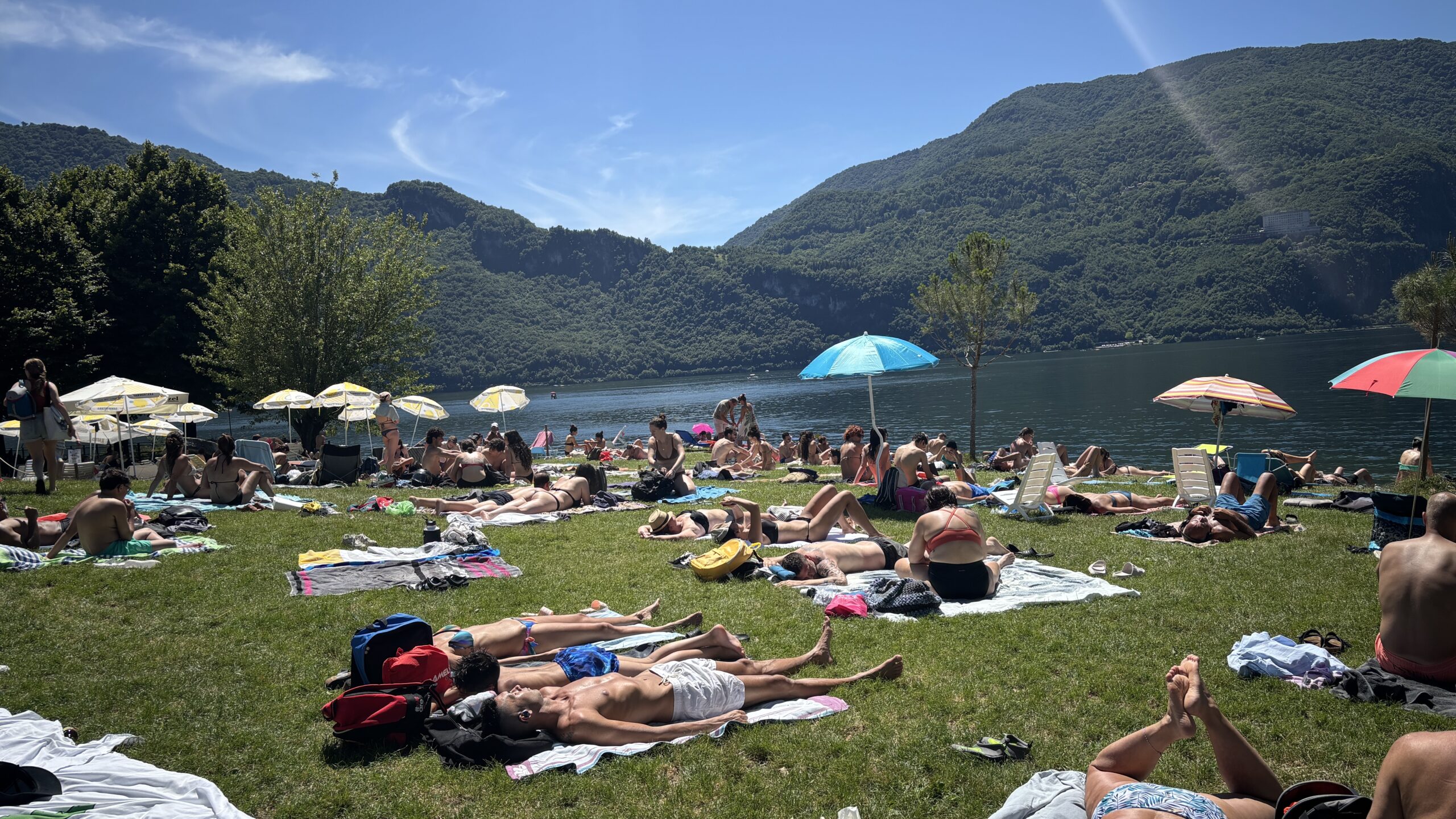
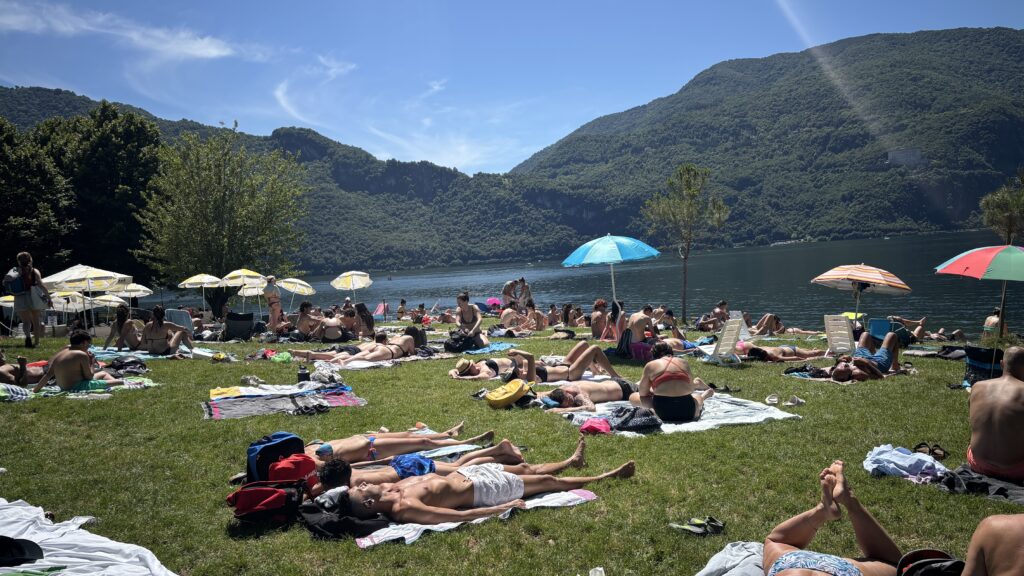
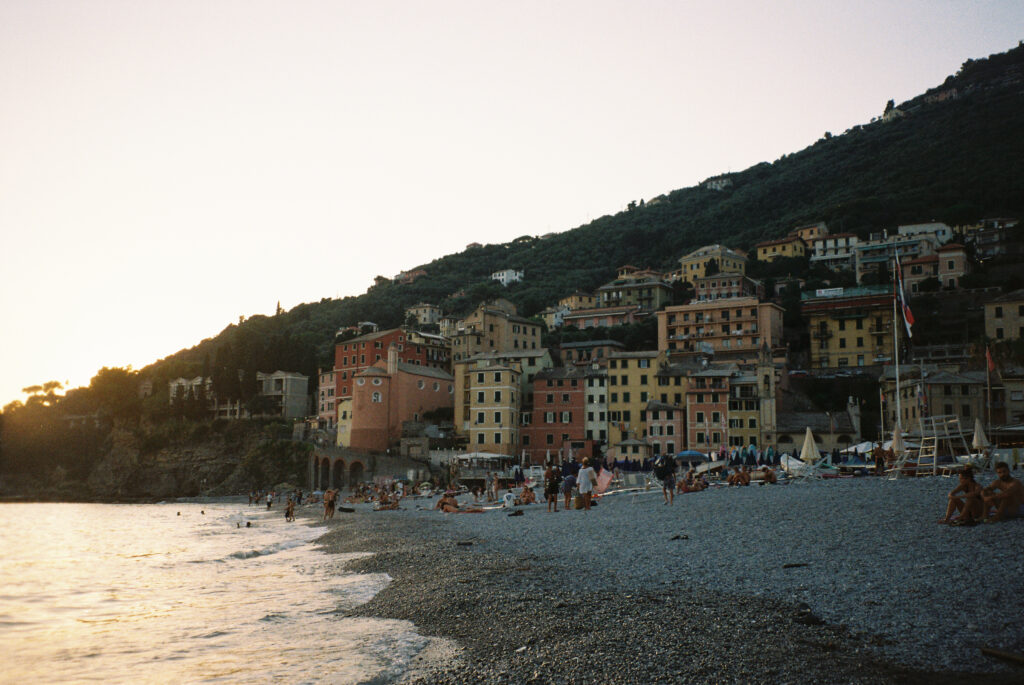
On the first sunny day of spring, similarly pasty white Speedo-clad Italians emerge, blanketing the waterfront with a sea of bodies. They line the rivers, oceans and lakes on multicolored towels, soaking up Vitamin D like a bunch of photosynthesizers. There they will stay, and in mere weeks these mozzarellas bake into beautiful, honey shades of dorata, golden. I tend to skip straight to aragosta (lobster), and rock the pomodoro-red look for the rest of the summer.
Italians are considered some of the healthiest people in the world. And yet, they tan with reckless abandon. Do they not know the dangers? Is the sun different here? Is it just their culture or am I just a jaded mozzarella who wants to be right?
Having a tan wasn’t always the sign of health and beauty it is today. Historically, a tan signified manual labor, while nobles and royals could afford to stay inside. Nowadays, a tan means you could afford a vacation, warming the sickly “gray” that came from factory or office work. Golden skin is the new health and wealth.
This cultural shift came with its dangers. Skin cancer is on the rise in Italy, with aggressive melanoma now the third most diagnosed cancer among Italians under 50. Recent movements to educate and prevent skin cancer have worked to get people off the beaches and into the dermatologist’s office. In 2025 The Society of Italian Dermatologists ran a highly successful Save Your Skin campaign, offering free melanoma checks. Academic research studies emphasize the same message — Italians need more education on sun cancer prevention.
Italian women seem to know the risks, but the cultural expectations remain strong. Roberta (30) grew up in Naples and was told that sunbathing was good for her health, while also being taught to wear sunscreen. “I think spending time outdoors on sunny days and getting some indirect sunlight is beneficial. On the other hand, lying in the sun is probably more of a risk than a healthy activity, but I still love doing it. It’s partly for aesthetic reasons, but I also love the feeling of lying in the sun; it relaxes me.”
Glenda (55) moved from Brazil to Milan two decades ago and was surprised by the high use of tanning beds in Italy. “It’s like you can’t show up to the beach white, you have to get a bit of color before you go. It’s concerning, especially for my children, how much sun they feel like they have to get. I use SPF50 and try to stay out of the sun; otherwise, I skip the golden and go straight to chocolate,” she laughed.
Social media has had a significant role in the normalization of sun tanning. Leila (22) says that even though we have more information about caring for your skin, there is also a growing standard among women and men to have a dark tan in the summer. It isn’t about just going to the beach to play volleyball or swim, lying out in and of itself has become an activity.
“I hate lying out; it is so hot and boring,” Leila clarified. “But I am naturally darker and can tan easily. My dad will put on sunscreen and then go out in the sun all day; my mom will put tanning oil on and lie out, and doesn’t think about skin cancer or anything.”
Roberta agreed that there is a generation gap. “I think this awareness about sunscreen is relatively recent. My parents never used sunscreen when they were young. If you ask them, they’ll tell you that the sun is much stronger nowadays, which is why we need sunscreen.”
A walk in the pharmacy says that tanning is alive and well. While I browse products with names like Anti-helios and Thermal Intense Protect Max, the next shelf will inevitably stock “Carrotissima Plus” (beta-carotene spray) or coconut-scented cooking oil disguised as a tanning aid. While I have resigned myself to the skin of a more cheesy, crustacean variety, I can’t help but envy the carroty, honey glow of my Italian neighbors.
So whether you’re braving the beach or finding a nice air-conditioned bunker to hide in this summer, bring some sunscreen, just in case. This summer, I’ll be doing both, braving the beach in my palest form with sunscreen close at hand, then retreating to a nice air-conditioned bunker to wait out the worst of the afternoon sun.

Follow Corinne at her Substack “The Field Trip”



Read the Comments +