




By: Nicole Karlis
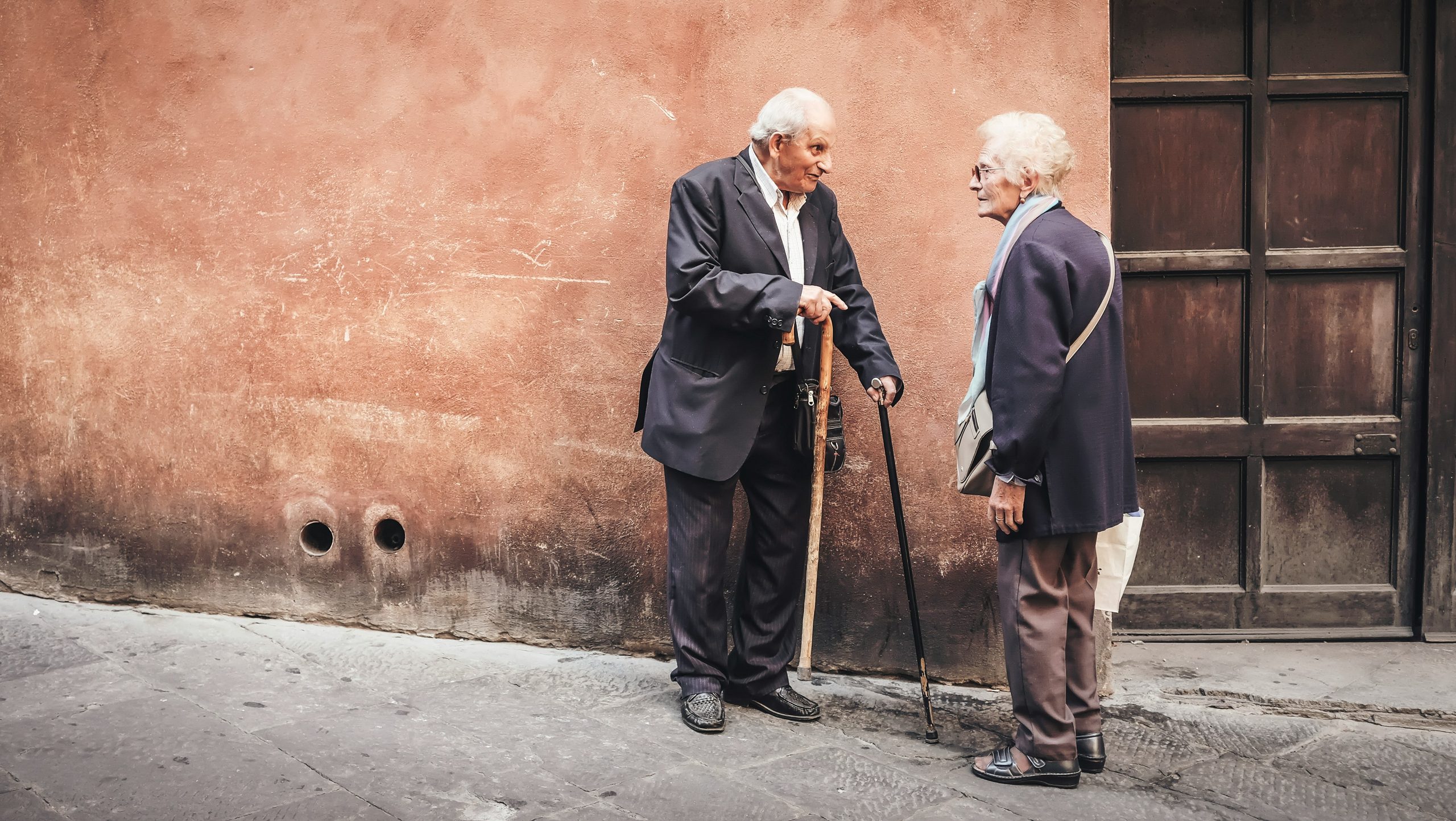
When Rhonda Abouhana lived in the United States, she spent most of her American life in the suburbs. As a result, she often relied on a car for transportation. The act of running errands was never synonymous with exercise. An outing to the grocery store, for example, meant she would drive a few minutes and then look for the closest parking spot to the entrance. When she had to pick up a prescription at the pharmacy, she’d sometimes use the drive-through. But since she moved to Italy in 2012 — first Rome, and then Lucca — the 54-year-old has incorporated more walking into her everyday life.
“I’m moving all the time,” Abouhana tells me. “In Rome, it was very common to walk an hour to get somewhere, and back, that was just a normal thing.”
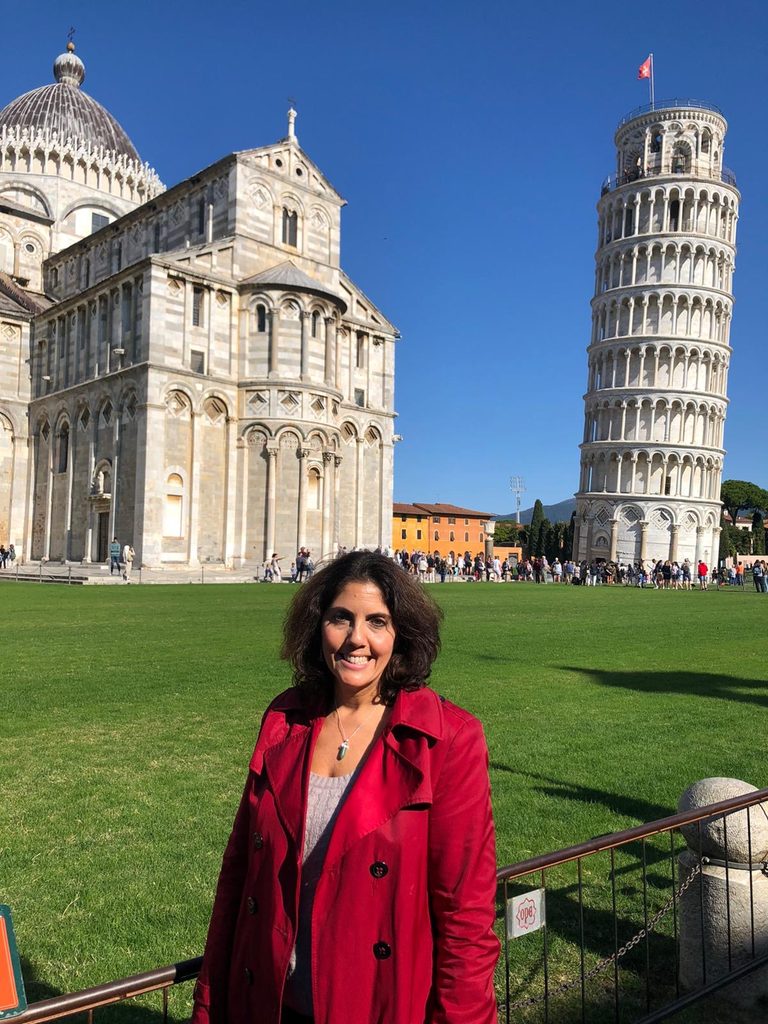
Around the world, Italy is known for many clichés: la dolce vita, dolce far niente, the so-called slow life. Like most clichés, most of them harbor only a tiny bit of truth. As global interest continues to rise around wellness and hyper-optimization (hence an increase of “maxxing” trends), Italy is also gaining notoriety for its own: nonnamaxxing.
Nonnamaxxing is where people can improve their health and well-being by embracing the traditional, and sometimes clichéd, lifestyle habits of Italian nonne. For example, walking as a mode of transportation and a form of exercise. Eating local produce and cooking from scratch. Embracing the mindset that there’s beauty in getting older instead of trying to hide it. Unlike wellness trends that require people to do something a little outlandish and outside one’s comfort zone, like using a scanner to track your poop or taking up the latest fitness trend (ahem, HYROX), nonnamaxxing asks us to do less.
And it has the science to back it up — just look at Italy’s longevity statistics.
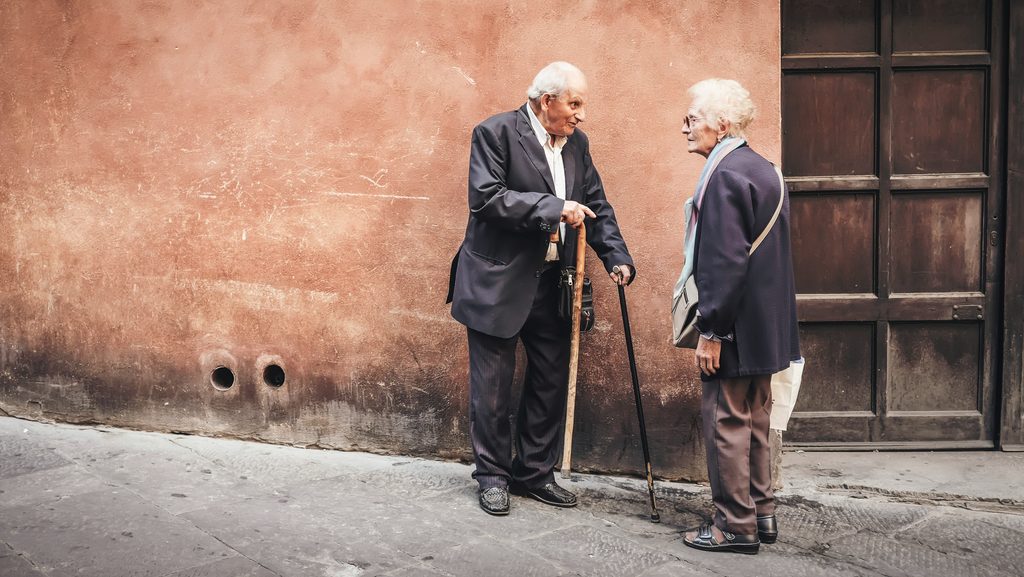
Italy, tied with Sweden, leads the European Union in life expectancy at 84 years. In 2024, the most recent available data, life expectancy at birth in the U.S. was 79 years (Italy’s average life expectancy in 2000). In Italy, the number of people living to 100 is growing. Of those reaching 100, eight out of 10 are women. While Italian nonne and bisnonne are arguably the only wellness influencers we should be listening to, can a move to Italy, and embracing the Italian lifestyle — which largely overlaps, if not epitomizes the nonna lifestyle — improve a person’s health and longevity?
Abouhana says it’s hard to say how her health has improved in “any measurable way,” but just by living in Italy, she believes she’s made “healthier habits.”
“I think just being in this environment and taking on some, if not all, of these healthy habits can only make life healthier,” she said.
Salvatore Di Somma, MD, an Italy-based researcher who leads the Cilento Initiative on Aging Outcomes (CIAO) project, has studied the lifestyle habits of 300 centenarians living in Cilento’s natural park, near the Amalfi Coast, for nearly 15 years. As a result, Di Somma and his colleagues have identified several lifestyle habits of the Cilento centenarians that help them thrive in old age. For example, they eat what they grow in their own gardens, he said. They’re very physically active since they walk nearly everywhere. When they wake up in the morning, they always have something to do or somewhere to go. “They have a sense of a community,” Di Somma added. “They never feel alone, because they eat with the family; they never eat alone.”
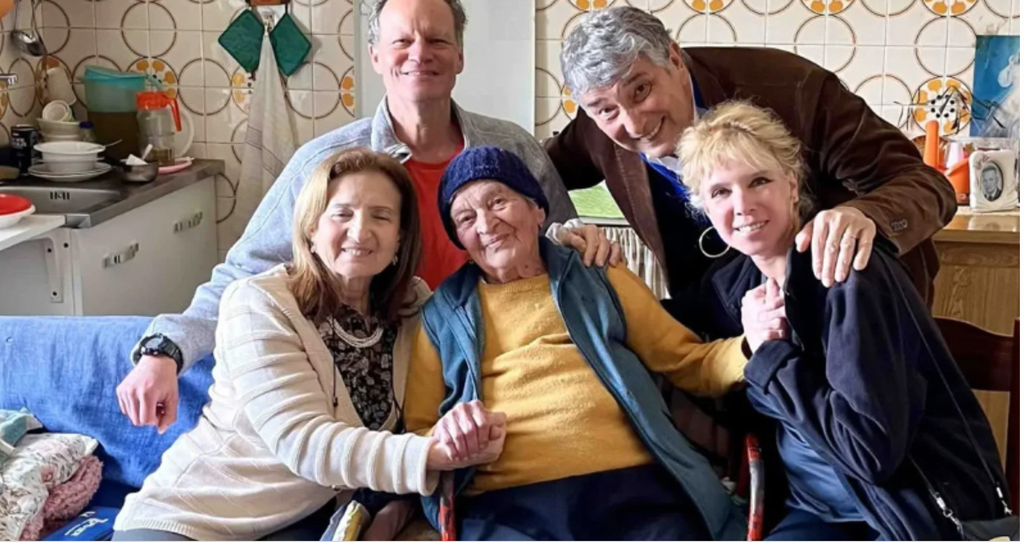
They also consume local olive oil, which Di Somma says has health benefits such as anti-inflammatory properties. His research contributes to the evolving science on how a person’s environment affects longevity.
“Environment is crucial,” Di Somma says.
Indeed, scientists believe living to 100, and beyond, requires a mix of genetic advantages, a supportive environment, and positive lifestyle habits.
When asked if someone moves to Italy, and embraces healthier nonna-esque habits — like eating locally-sourced produce, walking more, and having a stronger sense of community — can they lengthen their lifespan, Di Somma says he thinks so. In fact, he pointed to a study he co-authored in 2024, published in the journal Metabolomics, where 59 Swedish people ate Mediterranean diet-inspired meals from local recipes and with local ingredients while visiting Cilento for six days. After the six days, a majority of the study’s participants had metabolic biomarkers that were associated with a healthy diet and a lower risk of cardiometabolic disease.
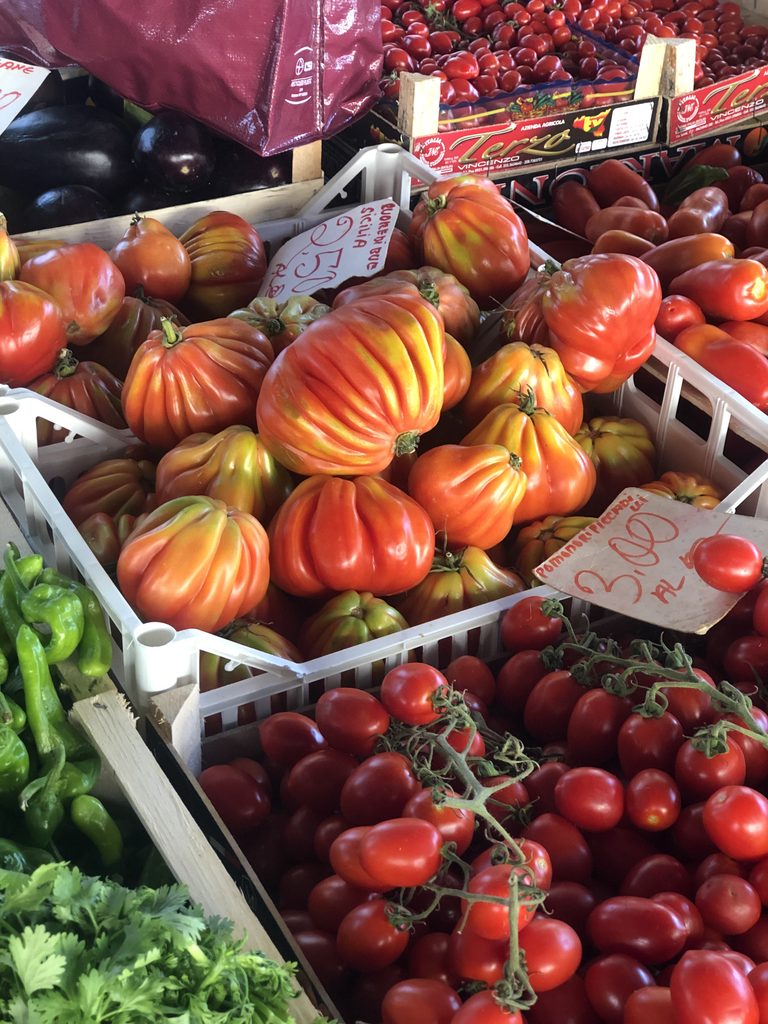
“You don’t need so much time to have these positive changes,” Di Somma says.
Bonnie Mitchell, DBH, LPCC, a behavioral health expert who was not involved in the CIAO study, tells me she believes relocating to Italy later in life can yield tangible improvements in overall health if the move leads to a “genuine shift in daily habits” — not just a change in scenery. For example, a person starts walking more in their daily life. One 2025 study found that just 15 minutes of brisk walking a day reduces the risk of premature death.
“This low-intensity, functional movement improves joint mobility, preserves muscle mass, and supports cardiovascular health without the high-impact, wear-and-tear of late-onset intense workouts,” Mitchell says. She added that a typical Italian diet relies on fresh produce, legumes, whole grains, healthy fats like olive oil — and minimizing ultraprocessed foods —which have been linked to a range of health issues, like type 2 diabetes and cardiovascular disease.
She said to think of a change in environment as an enabler of healthier habits. But the catch is that these habits must be “actively embraced” by the person to reap the benefits.
Amy Masuda, an American retiree living in Italy, says she and her husband have both lost weight since moving to Italy one year ago. She no longer has joint pain in her hands and knees. She’s also seen her social life improve. “We have more social interactions and friends that we enjoy being with,” she says. Joanne King was diagnosed with prediabetes before she left the U.S. — but that has since changed since she moved to Italy in 2025. “My health has improved a lot,” King says, adding she’s no longer “prediabetic.”
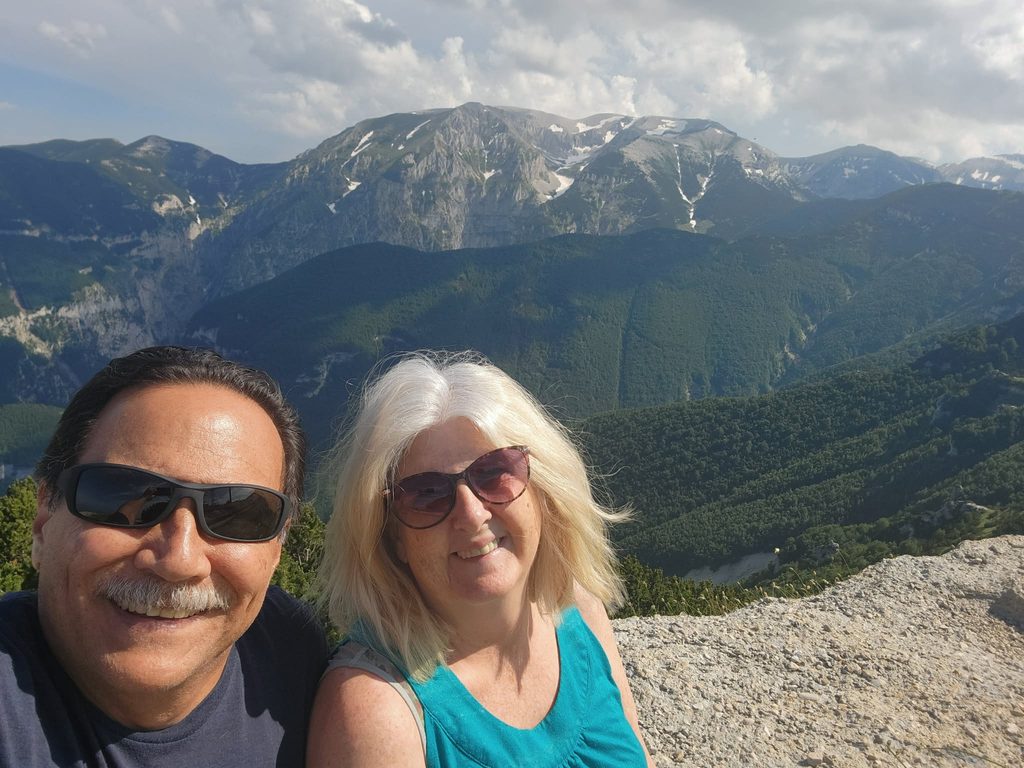
Mitchell says nonnamaxxing is a wellness trend that works, not because of a “magic secret,” but because it calls on people to adopt the lifestyle of an Italian grandmother, which aligns with the core principles of “lifestyle medicine.” This means eating whole, seasonal foods, engaging in low-impact daily movement, and maintaining intergenerational community ties.
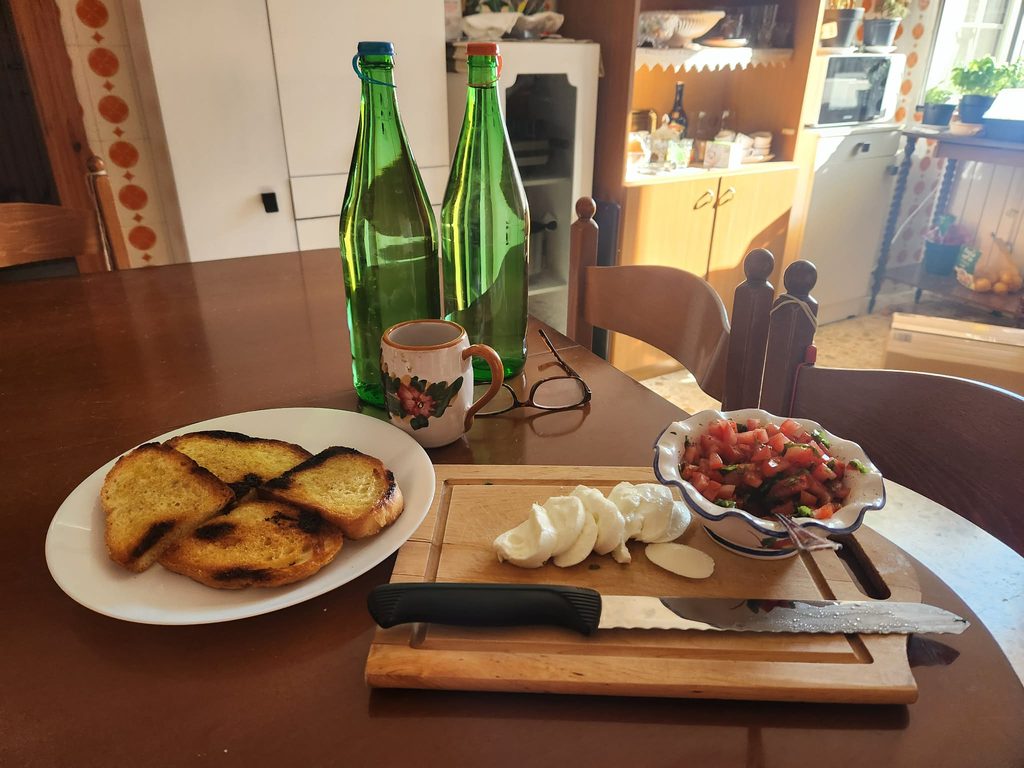
The good news is that while moving to Italy might make these lifestyle habits more accessible, you don’t have to move to Italy to nonnamaxx your life.
“Real longevity benefits require permanently adopting the structural habits that lower chronic stress, like daily low-intensity movement, whole foods, and genuine, face-to-face human connection,” she says.
Follow Nicole’s writing on her website or Instagram.


Read the Comments +