


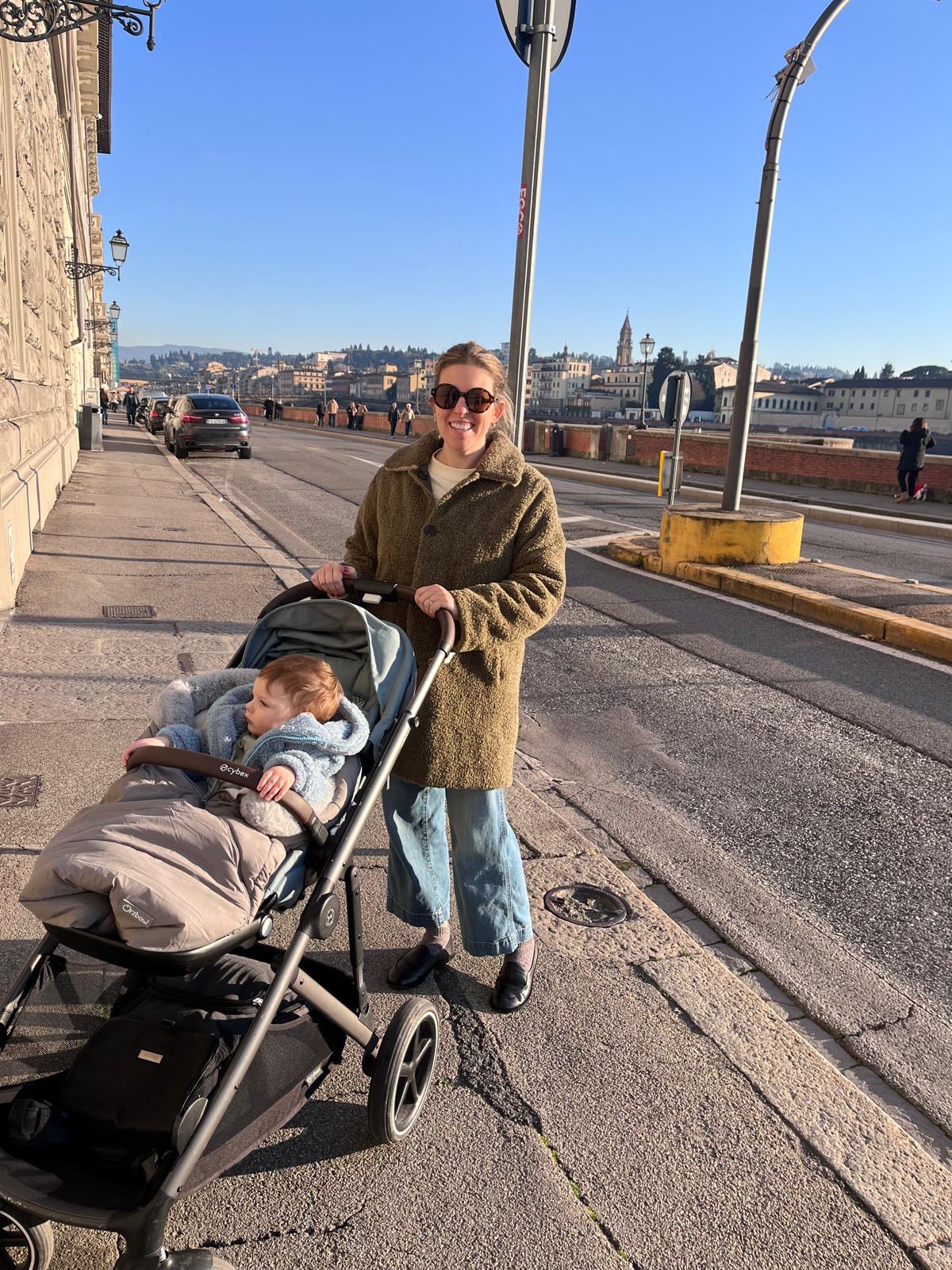


by: Nicole Karlis
Tears rolled down my cheeks as I packed up my California kitchen. At one point, I uncontrollably sobbed while wrapping bubble paper around my favorite yellow casserole dish — even though I barely used it. Yes, I was going to miss some of my kitchenware that was headed to a storage locker. But as the couples therapy cliché goes, it’s not about the dishes. I felt a deep sadness as the departure date for our move to Italy inched closer.
In January of 2024, my husband and I decided we were going to move from Northern California to Florence, Italy — from one wine country to another, although wine had nothing to do with it. My husband, who had Italian citizenship through descent, and I connected over our love for traveling and living abroad. That connection turned into a shared dream. While we weren’t quite sure when, or honestly if, it would ever happen, we lived our lives as if one day it would.
After we got married, we registered our marriage in Italy. After my daughter was born, we applied for her Italian citizenship. The execution of these tasks felt exciting and reassuring to me, like we had an insurance policy for something better or different when we were ready. But that new life always felt very far away.
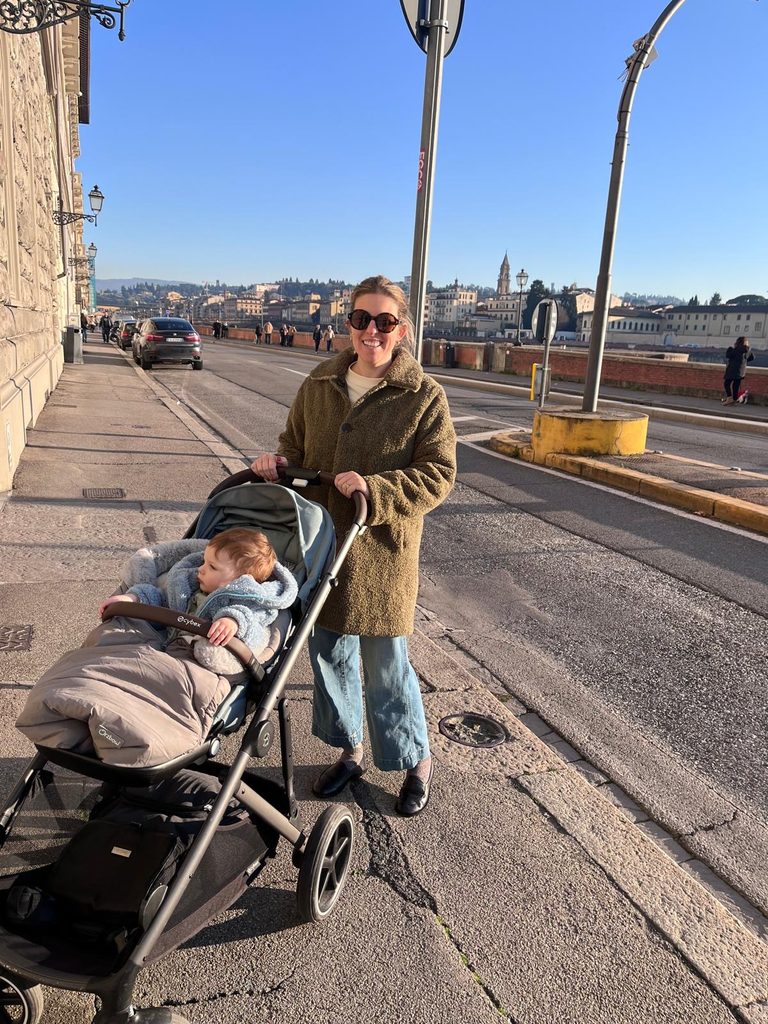
Eventually, parts of our lives shifted, and we decided it was time to make the move. We put our house up for sale, packed it up, and that’s when I became an emotional mess. Instead of being super excited about moving to Italy, I found myself consumed by feelings of sadness and loss. It turns out that what I was experiencing is a very common form of grief that comes up when moving abroad.
It’s Not About the Dishes
“We call it expat grief or relocation grief,” Janaline Smalman, an expat therapist and founder of Healing Art Journey, tells me. “For a lot of people, the grief comes up as homesickness, anxiety, stress, or anger.”
It’s exciting to plan a move abroad, but once reality kicks in — and you fully step into the unknown — the grief of what you’re losing emerges. Eniko Hajas, a psychotherapist who works with expats, says it’s closely related to “ambiguous loss” in the field of psychology, which is when a person experiences a profound sense of loss that is not associated with death. It can also come up in other situations, like when a person goes missing or a crisis changes life plans.
“It’s where what you’ve lost isn’t fully gone, but it’s no longer part of your daily life,” Hajas says.
This grief tricked me. At times before the move, it had me second-guessing our decision. When I got pregnant before the move, I questioned myself even more — not only our decision, but also my sanity. In that moment, I had to hold on to our why.
In difficult times, I often turn to writer Cheryl Strayed for comfort. And in one of her “Dear Sugar” columns for The Rumpus, she writes to a reader about regret and big life decisions. If I’m being honest, regretting not moving is a big part of why I decided to move abroad. In Strayed’s column, she calls the path in life a person doesn’t choose a “sister life.” It’s like a ghost ship that passes us in the night. It’s there, but we can’t live it. She says all we can do is wave to it from the shore. I knew my future self didn’t want to live a life being haunted by this “sister life.”
What You Miss From Yourself
But strangely, after we moved to Italy, my “sister life” of remaining in America haunted me. I found myself clinging to relics from it — listening to songs about America, watching comforting TV shows like Friends, and holding on to old photos from my childhood. I felt like I still had to be connected to it in some way, or I would become completely ungrounded. Hajas says it’s normal for this to persist when someone arrives in their new country.
“First, they feel the loss of familiarity, routines, small things like favorite shops, the lady at the pharmacy, and food,” Hajas says. “But with time, they start feeling the loss of ‘their value’ to the community, they might not be so needed, nobody laughs at their jokes, nobody asks them to help or share their thoughts.”
It’s not just about what’s tangibly missing, but also what’s missing from yourself.
“You miss parts of yourself,” Smalman says. “Every country brings out a different part of you.”
Since friends and family were dealing with their own grief of our leaving, it was nearly impossible to talk to anyone about what I was feeling. Smalman says that makes relocation grief “even worse.” “A lot of people think you chose this,” Smalman adds. “You’re not allowed to be sad now.”
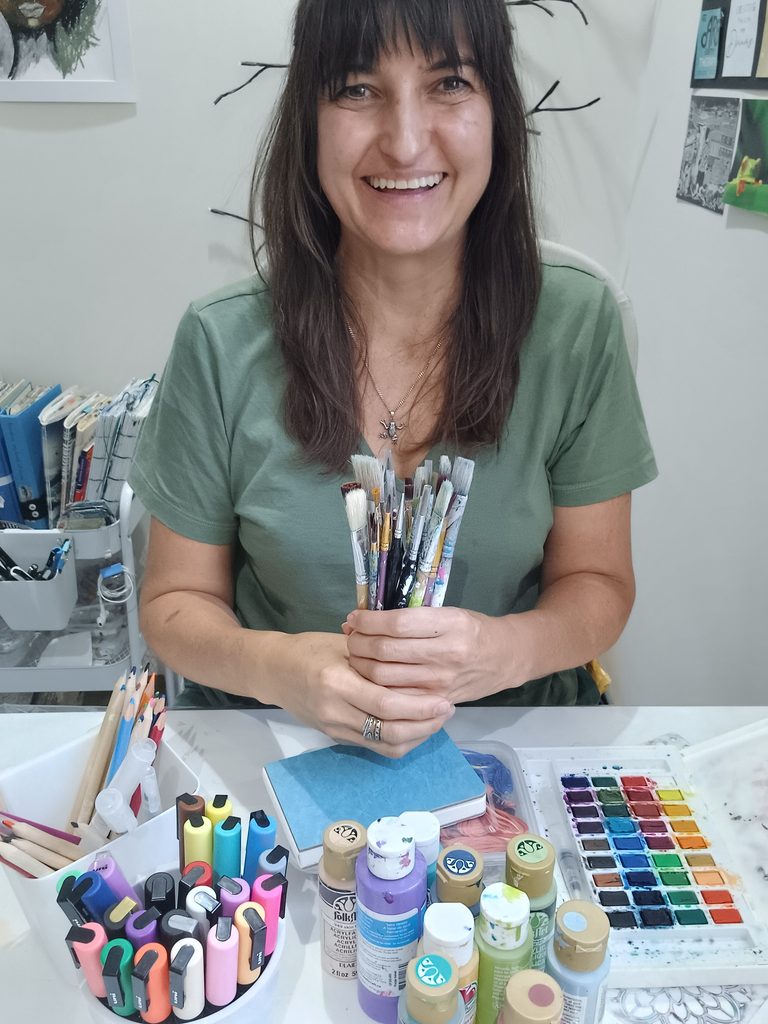
Movement and art, Smalman says, are effective ways to move through relocation grief. Hajas advises making space for it, which eventually can lead to letting go.
“Only if they release their pain will they slowly accept their decision and start opening up to this new life,” Hajas says.
One Year Later
I certainly found comfort in movement via walks around the city with my daughter. Slowly, the yellow-hued Tuscan light that felt unfamiliar to me when we first landed became comforting. I started to get to know my local barista and discovered my go-to spots. I started making new friends and opened myself up to new opportunities. I journaled my feelings.

“It’s okay to start creating new routines and enjoy new discoveries,” Hajas says. “Grief and curiosity can exist next to each other.”
It wasn’t until about a year after we left our California home that I realized I had truly turned a corner. A couple of months postpartum with my son, I rocked him to sleep, looking out at our giardino. I reflected on the woman who was terrified to move abroad, who sobbed while packing up her kitchen, who felt like she was on a train moving at full speed and couldn’t get off. I wanted to hug her and tell her not to give in to the fear. It’s not worth it because if you do, she will miss out on so much good beyond what she could ever imagine. Ending an attachment to something is painful, Hajas says. And in this case, the attachment was to my old life.
“Moving abroad is an opportunity to practice that and grow in flexibility,” Hajas says.
When people ask me if the grass is greener in Italy, I tell them no. It’s not. There are still difficult days and moments. The move didn’t solve all my problems. Life in Italy isn’t always la dolce vita. Instead, I tell them the grass is different — and for now, this is the landscape I choose in this moment of my life.

Follow Nicole’s writing on her website or Instagram.



Read the Comments +