




by: Elizabeth Djinis
After four years living in Italy as an American, I often feel that my love for the country is most clearly expressed through my desire to know every little thing about this place, like getting to know a new partner, how every anecdote about their childhood, their emotional state, their favorite books, their bizarre medical diagnoses is inherently fascinating by virtue of the fact that it recounts to you something about them, that it shades more elaborate details into your rudimentary sketch.
But there is something different in trying to know an adopted country rather than a native one, because it somehow feels more chosen. Every rabbit hole I pursued in service of getting to know Italy better was one I did as a conscious choice, knowing that I could have lived somewhere else, researched something else, done really anything else with my life. The gratifying part was in understanding that I didn’t want to.
The writer Claudia Durastanti, who was born in New York to Italian parents and then moved to Basilicata with her mother when she was six years old, talks about this feeling in an interview with Basilicata Media.
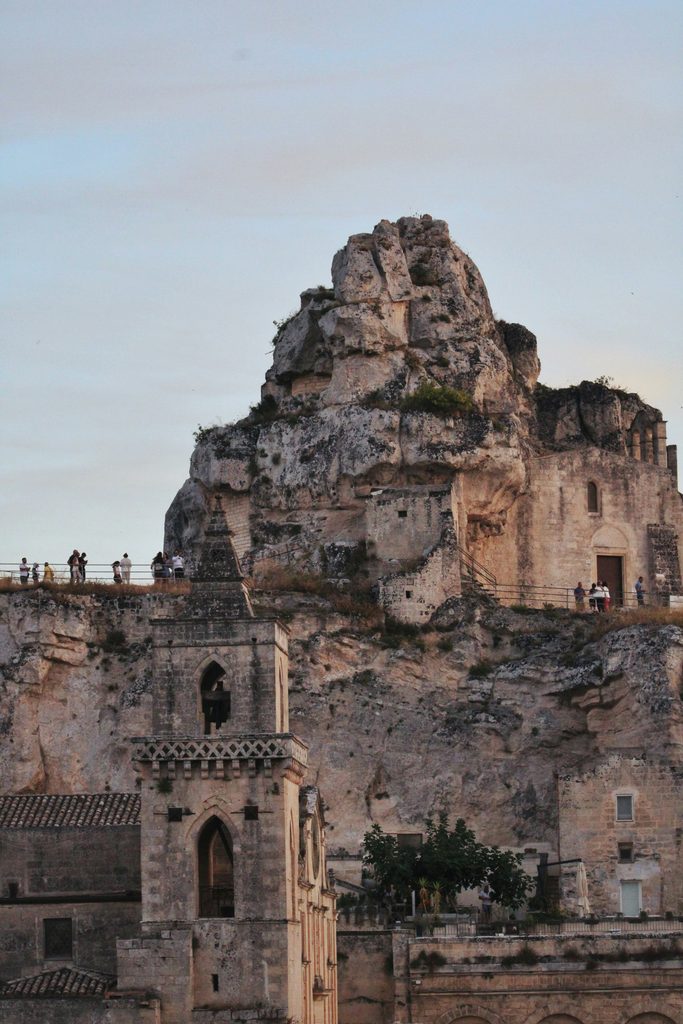
“You obsessively fall in love with everything on the cultural level, because you have to really work to get a hold of it,” Durastanti said, “and the fact that each thing was a conquest really planted it for me and made me value it and pushed me a little to try to turn over what was underneath.”
I have had quite a different life experience than Durastanti, having chosen Italy as my adult home with no familial connection and largely out of an academic love for my studies of classical languages and Dante.
But in the end, I am left with the same sensation.
I feel it in strange, prickling moments: when I watch a Checco Zalone film with an Italian friend and intuitively understand the skewered tensions between North and South or jokes about the posto fisso, when I walk through the Galleria Doria Pamphilj for the umpteenth time and notice the striking marble bust of Olimpia Maidalchini Pamphilj, known as Donna Olimpia, sculpted by Alessandro Algardi, coincidentally the namesake of one of the first streets I ever lived on in Rome, or when I watch Paolo Sorrentino’s La Grazia and realize how familiar the sensibility feels, as if maybe this is what it is like to finally integrate.
It is in these times that I feel like I am steadily lining up the puzzle pieces of my modern portrait of Italy, getting closer and closer to formulating a complete image.
Or maybe I am departing from a premise that is inherently flawed. Because, in certain moments, I have also found myself doubting whether I ever really can know Italy fully, whether a complete image is even possible.
It is in this destabilization that I turn to the projects of other foreign writers and artists who have made a home for themselves in Italy and who have made it part of their work to document this country, whether in ways tongue-in-cheek or more literal. I think of Lithuanian singer-songwriter Popa, whose full name is Maria Popadnicenko—she moved to Italy at 18 years old to study fashion at Florence’s Polimoda and eventually decided to stay, working first in design at Max Mara in Reggio Emilia and then at Emilio Pucci before embarking on a career shift and deciding to launch a singing career.
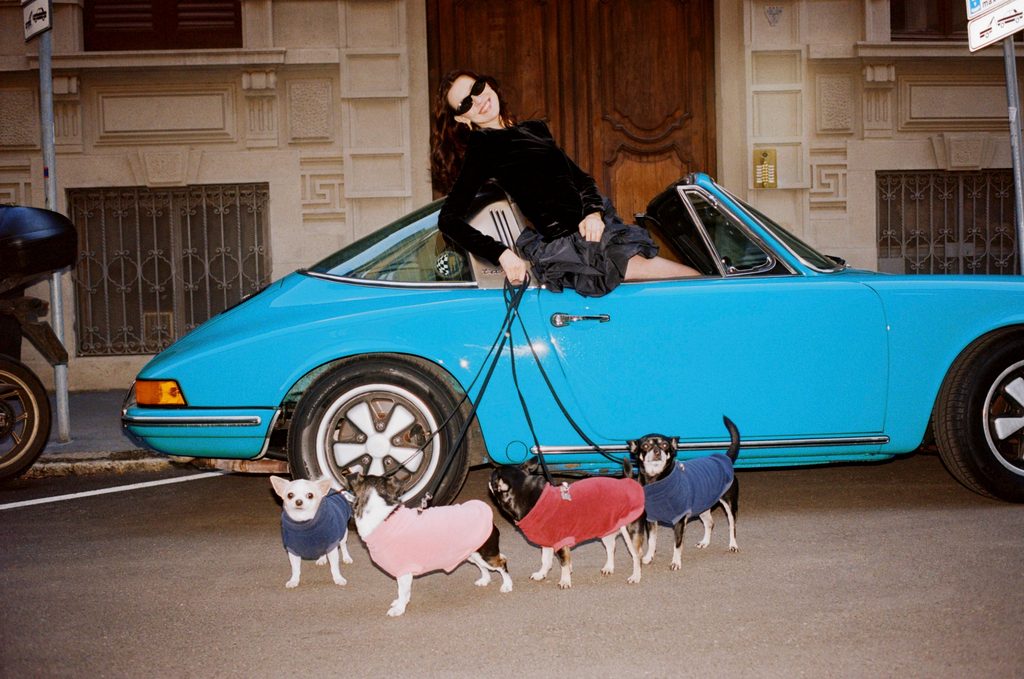
Popa’s work has always been rooted in Italy. Her first album, “Arte e Finanza,” begins with the title track, an obvious homage to the themes of her adopted city, Milan, and eventually culminates in “Sciura Milanese,” a paean to one of the city’s chief symbols, with all the fantasy it connotes. The record is quite explicitly inspired by not Italy but Milan, just like Popa herself. In fact, despite her lifelong obsession with the country, it was a move to Milan that pushed to the surface her more observational, artistic side.
“I discovered the Milanese style, which is completely different from the rest of Italy, the way people talk, they dress up, and they have their kind of rules and routines,” Popadnicenko said. “And it really struck me and inspired me, because it was a new way of living Italy, a new way of seeing things.”
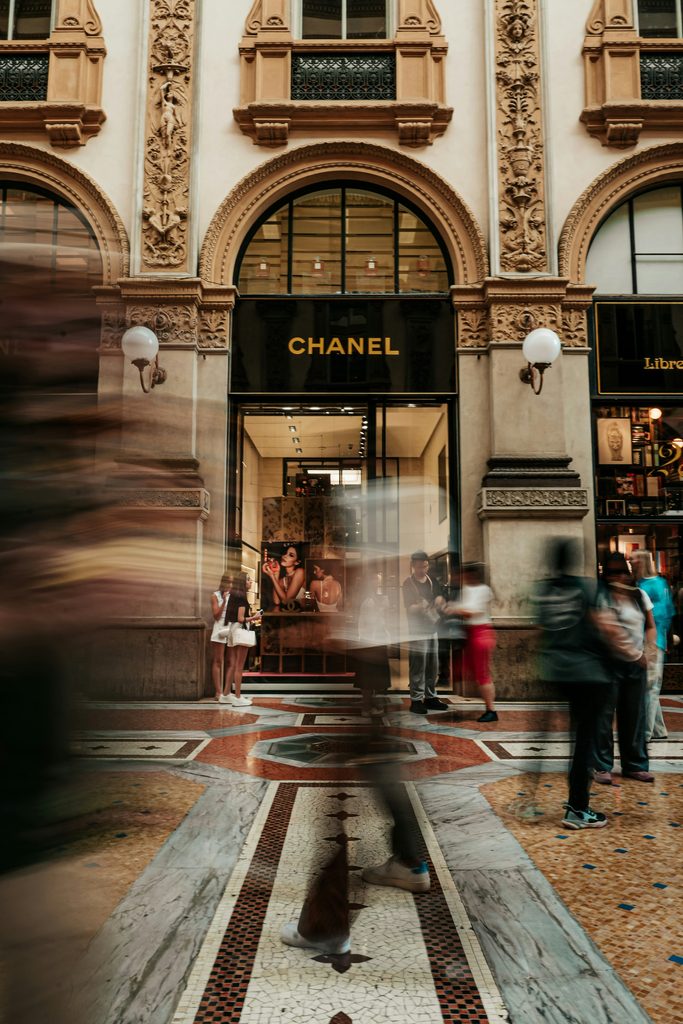
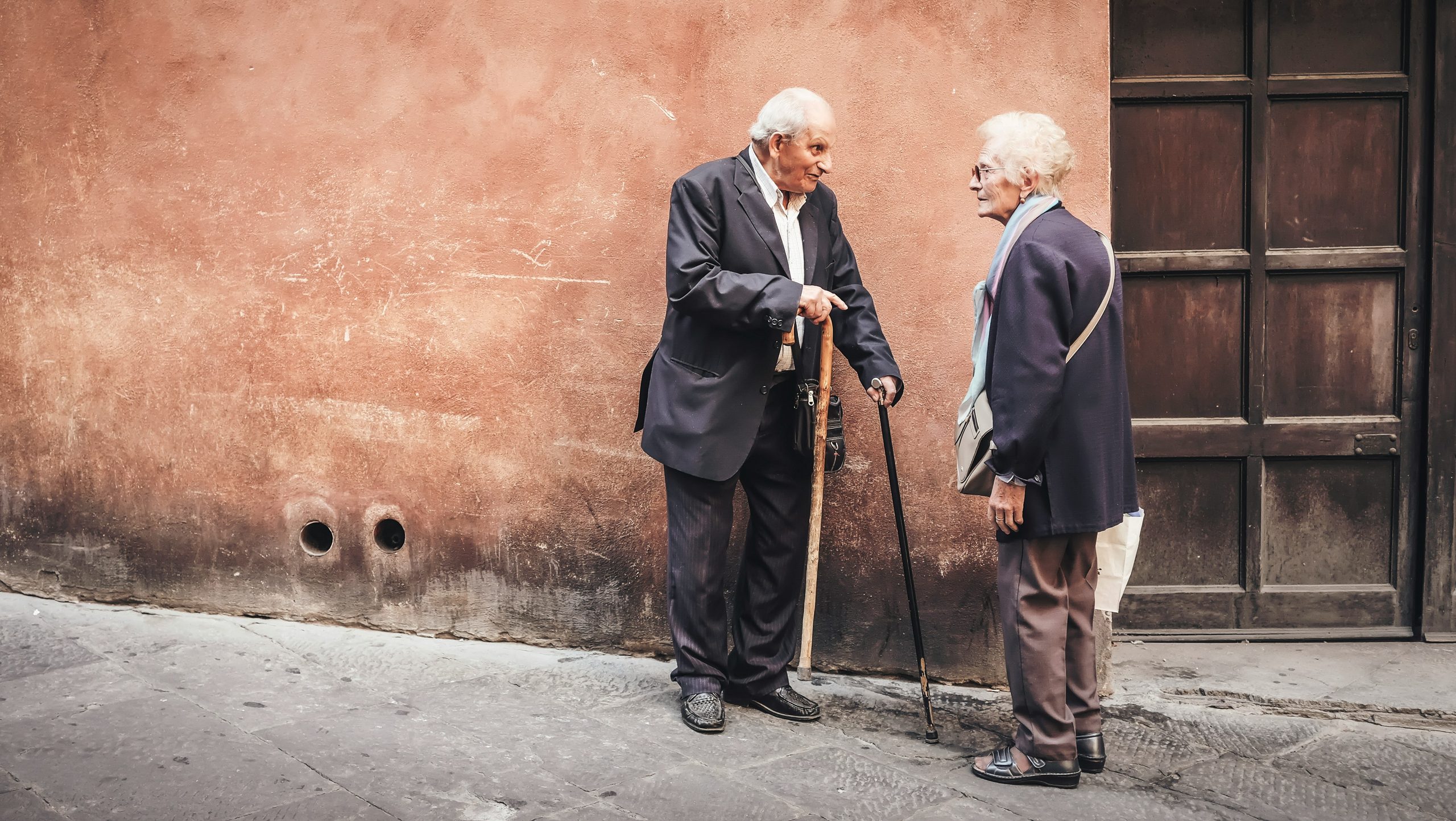
She remembers one of these first moments, almost like a snapshot—passing by Milan’s world-famous opera house, Teatro alla Scala, she witnessed a long line of people waiting to enter the theater. They were “chic ladies,” she said, with their husbands or with their friends or alone, often around 70 or 80 years old, and they were dressed impeccably. Popa had never seen anything like it, and she wanted to know everything: after the opera, where did they go? Where did they have coffee? What was their routine? She felt that they viewed life, regardless of their physical age, as a form of celebration.
Unsurprisingly, the urge came over her to get all of this out, and “Sciura Milanese” would become the first song she ever wrote. That was 2018, and since then, she’s released two concept albums, the second of which came out in March 2026, entitled “Nuda Proprietà.” Here, too, Popa chose to highlight a concept that is commonplace in Italian parlance but perhaps strange to a foreigner—the idea that a person can buy a house but not yet have the right to live in it, contingent on the fact that the property is theirs and the house will become theirs to live in usually once the current resident dies.
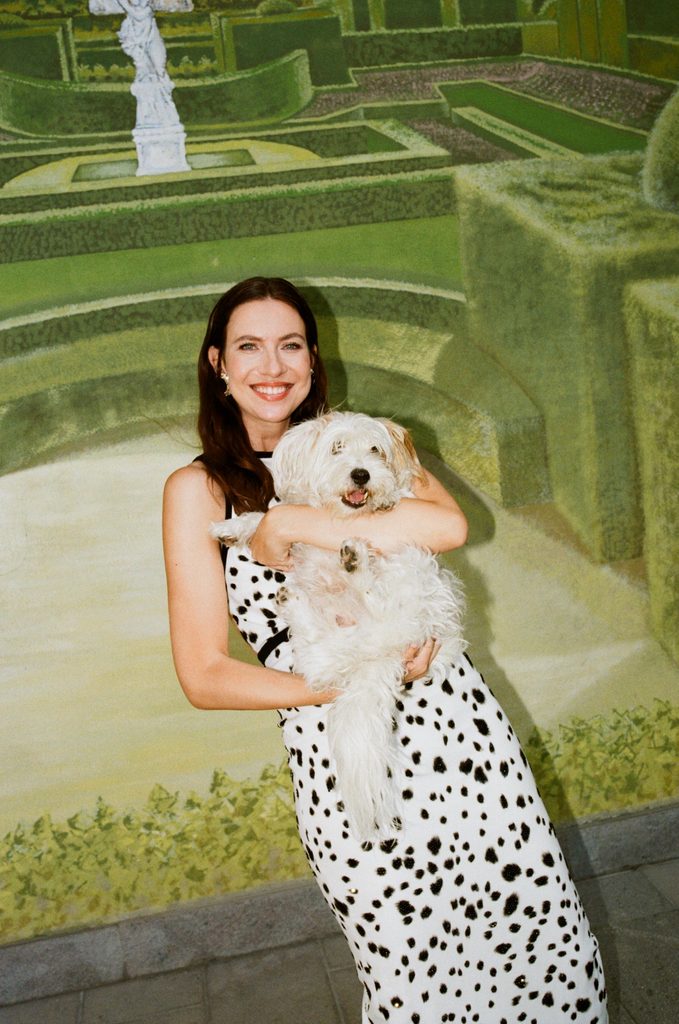
“It’s this existential crisis, because you kind of have something, but at the same time, you don’t have it, right?” Popadnicenko said in an interview. “It’s about dreams but then questioning, did they really come true? Will they ever come true?”
The album works as a narrative, telling a “Sex and the City”-esque story of a female character who is torn between the desire to flee the city, like in “Monte Carlo” and “Kalispera,” or embrace it, like in “Gommage” and “Animalier.” Her ability to depict an uncanny version of Milan not necessarily perceived as such by all those who pass through it has captured even the attention of Italian writers.
“If you’re from Milan, there are some things that are just obvious for you,” Popadnicenko said. “You don’t really pay attention to it anymore—it’s just there. I’m just pointing out and highlighting things that, maybe for other people, it’s like, okay, we all know that, but for me, it’s new. I want to describe it and I want to go deeper, like a mix of Italian postcards.”
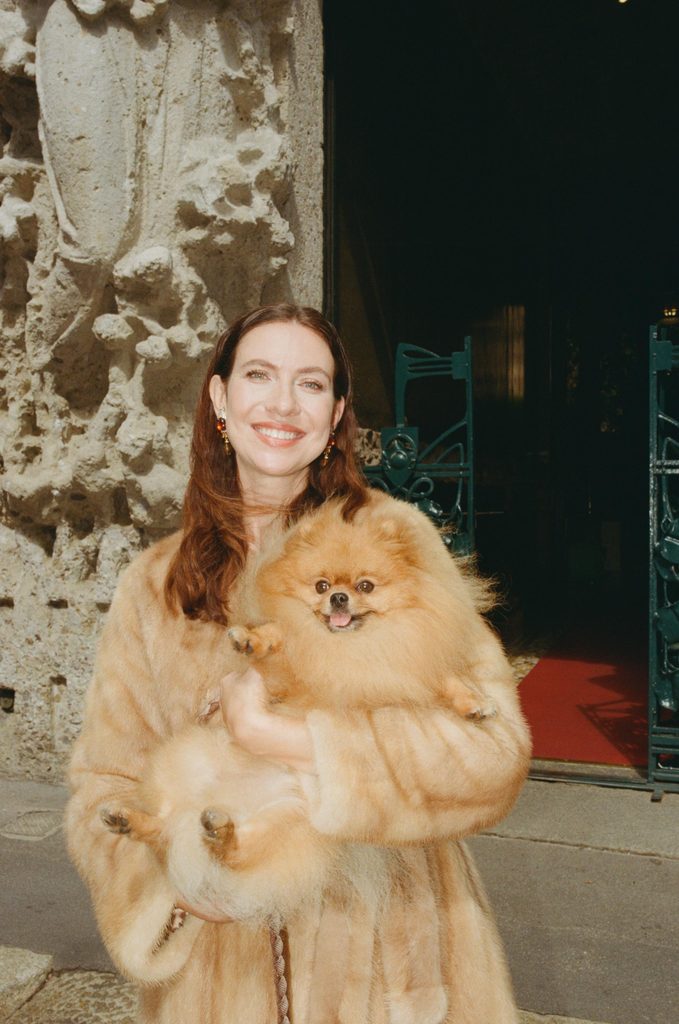
Erica Firpo, an Italian-American lifestyle journalist and content strategist who moved to Italy about 25 years ago, didn’t arrive with an idealized view of the country. Her mother was born in Rome and moved to America when she was elementary school age, and her grandparents spoke Italian at home. Firpo grew up spending time with her cousins in Rome, and she always knew she wanted to come back.
But after studying abroad in Rome as a college student, she ended up coming back to an Italian city she would have never expected: Venice, as a fellow at the Peggy Guggenheim Collection. She had grown up all her life identifying herself as Roman, not Italian. So Venice was different, to say the least.
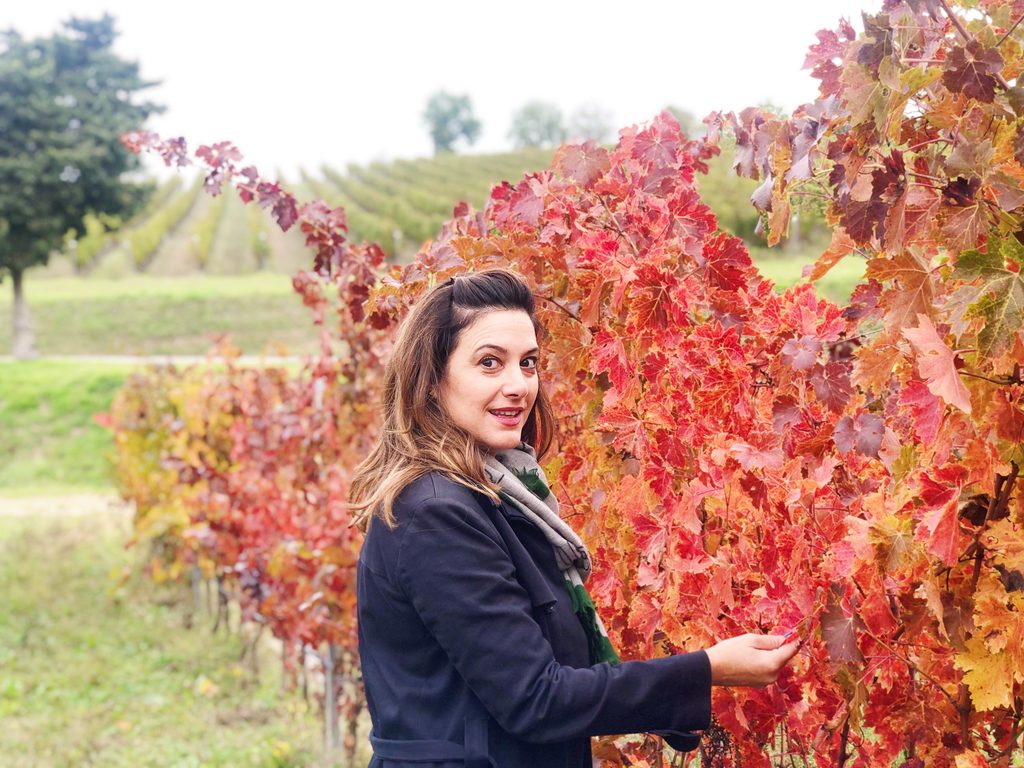
“When you talk about culture shock, that was culture shock for me, Venetians versus Romans,” Firpo said. “My background was art history. I had studied a lot about Italy in my life. I grew up with a lot of Italy in my life, in a cultural sense. I wasn’t walking into it not knowing what Venice was. But Venetians have a very distinctly different personality from Rome.”
Growing up in the United States and now working and living in Italy, Firpo has always found herself torn between two worlds: in the U.S., she quite clearly had Italian roots. Her mother would take the quinto quarto cuts from the butcher, and Firpo’s comfort food was always carbonara.
“Then I go to Italy, and they’re like, ‘Oh my god, you’re so American,’” she said. “That was kind of the identity crisis. I have double passports, but what’s the first question they ask you in Italy? Where were you born?”
Firpo had another sort of identity crisis when it came to work—she saw herself as a wearer of many hats, a journalist covering the various realms of lifestyle, a writer, a strategist. She didn’t want to be limited to just one, but a friend of hers once told her: ‘This is Italy. You can only do one thing.’
“It just made me want to constantly adapt and adapt and adapt,” she said.
One of her most recent accomplishments is a collaboration with her husband, archaeologist Darius Arya, on a National Geographic special edition issue on “Hidden Rome.” The rub there was trying to pick and choose parts of the ancient city to highlight and decide what could be left off. It was a task that became, Firpo said, “like trying to choose your favorite child every day.”
But much of what really motivates Firpo is showing Italy as a contemporary country, one that is not necessarily a symbol of la dolce vita or the slow life but an everyday machine and industry that is working each day to make itself succeed. She’s tried to do that on her Ciao Bella podcast, a project that has allowed her to interview some of Italy’s most famous contemporary creators, like the director of the National Archaeological Museum of Naples and Federica Formilli Fendi. Part of the reason she wants to highlight these stories is because of the Roman experience she’s lived within her own family.
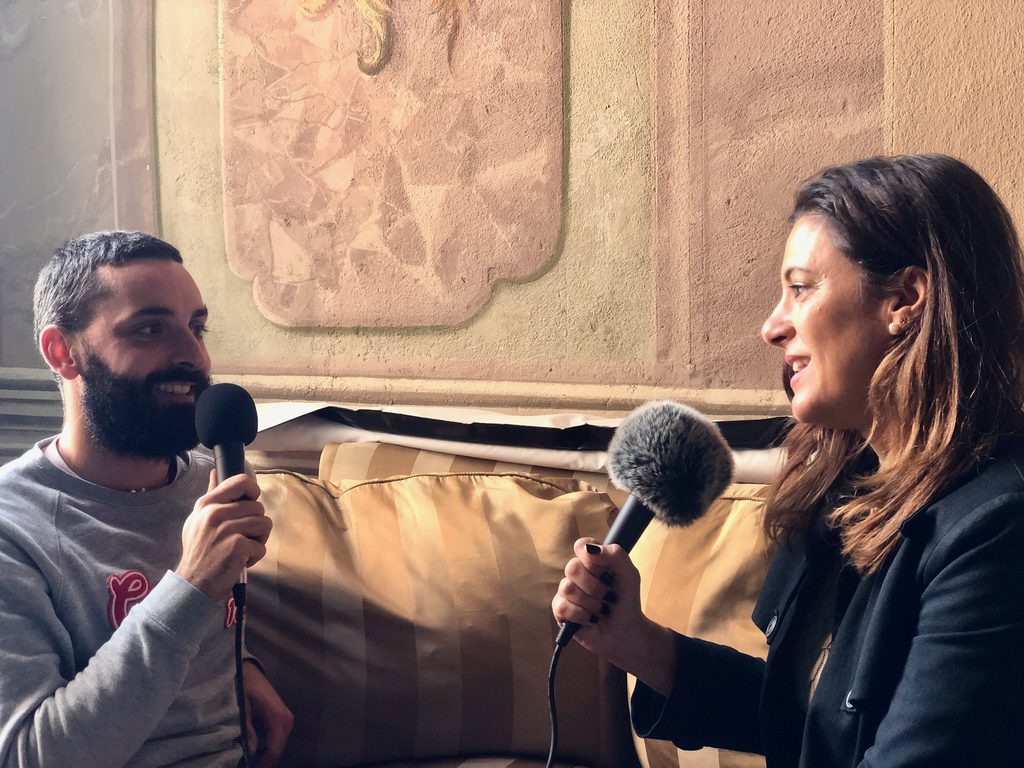
“I didn’t have the typical ‘oh, we go back to our small town, and we’re all making pasta sitting around doing this,’ the things that people really expect. The way I grew up was that Romans were really contemporary people who did the exact same thing that they do in Philadelphia or in Los Angeles,” Firpo said. “And then I got the American culture shock of people just assuming this is what Italians are, the postcard, the nonna, and I get real fulfillment being able to tell these cool stories about people that are doing really cool, contemporary things.”
You can follow Elizabeth’s writing here or on her Substack.

Read the Comments +