




by: Nicole Karlis
The first time it happened to me, I said no.
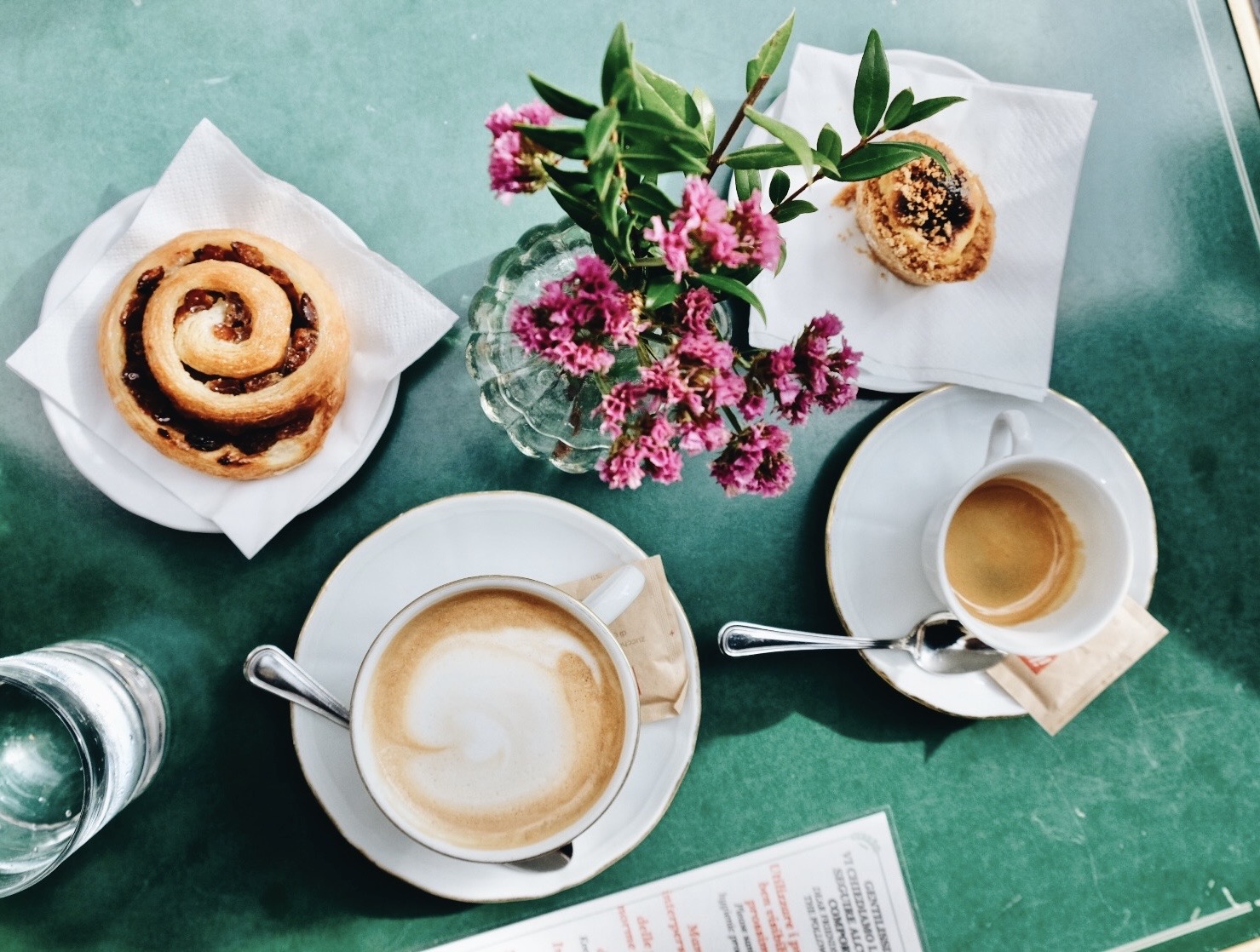
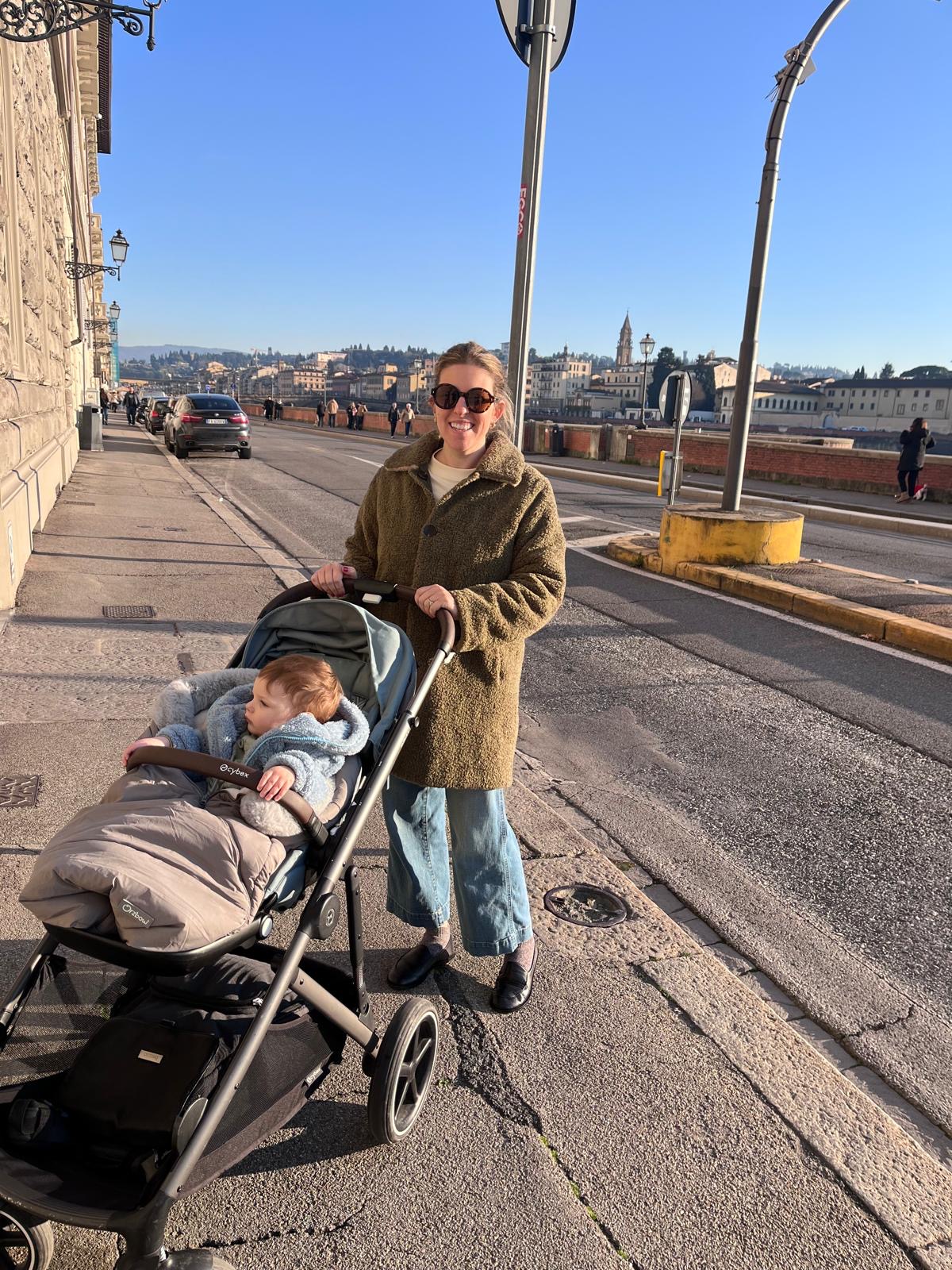
I ran into a mom of a kid from my daughter’s class on the street. We were talking about our children for a couple of minutes, and then she asked me: “Vuoi un caffè?” (Do you want a coffee?)
When I lived in the United States, it was common to get on someone’s calendar weeks in advance to meet for a coffee. A spontaneous, in-the-moment invitation would almost come off as aggressive. It would also certainly be declined.
Who had time for coffee dates anymore?
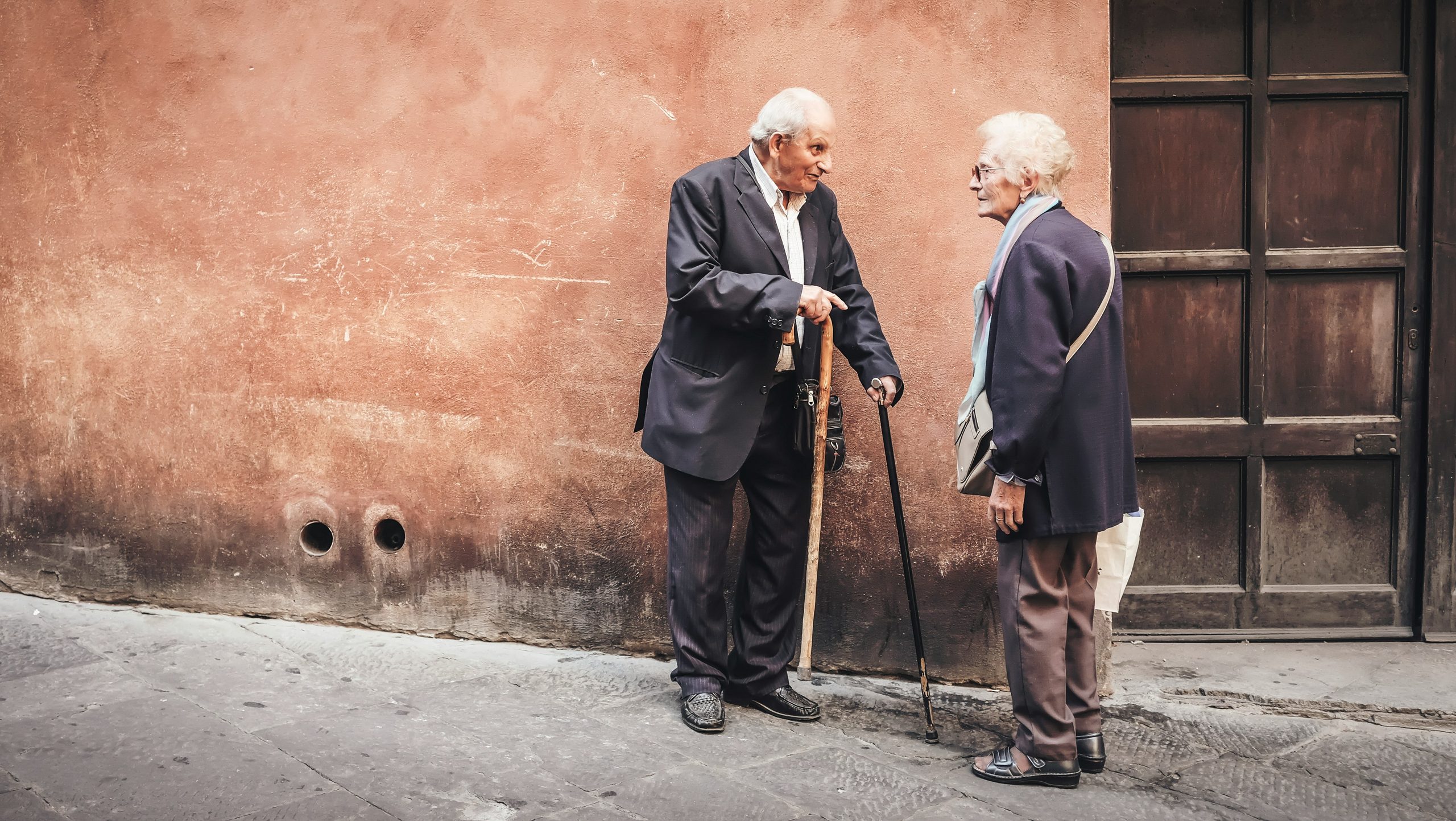
But in Italy, when someone asks you if you’d like to get a coffee, they aren’t asking for much of your time— maybe ten or fifteen minutes. It’s a simple way to keep the conversation going a little longer.
I didn’t realize this until another Italian friend of mine said to me very directly: “We should hang out sometime, but spontaneously,” she emphasized. “We don’t always have to plan.” My American mind could not comprehend.
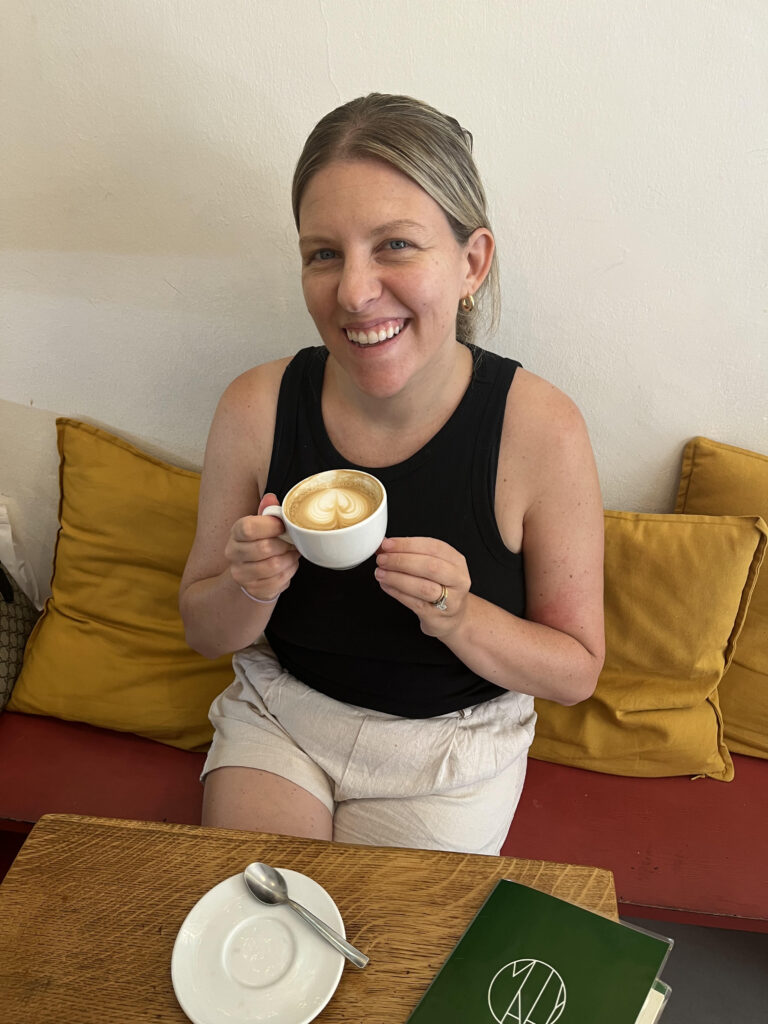
Yet, this spontaneous connection is precisely what we are losing. In March, a study published in the journal Perspectives on Psychological Science found that daily conversations have been on the decline over the last 15 years. Specifically, people are losing 338 spoken words every year. A researcher of the study said people have lost “incidental conversations,” meaning the ones that are spontaneous and unplanned.
Notably, a majority of those who participated in the survey were Americans. One of the researchers, Matthias Mehl, expressed concern about these findings. “These 338 words are not one long conversation we stopped having,” Mehl said. “They are spread across small moments throughout the day.”
Curious about the health benefits of these spontaneous, micro-interactions, I reached out to Jonathan Alpert, a psychotherapist in New York. He said they “help regulate stress” in real time before loneliness, anxiety, or emotional exhaustion have a chance to kick in. “Human beings evolved in communities where social interaction was woven naturally into daily life,” Alpert said. “We weren’t designed to live in isolation and schedule a connection three Thursdays from now at 7:30 PM.”
Research consistently shows that regular social connection is associated with lower stress, better mood regulation, and even a lower mortality risk.
Perhaps one of Italy’s secrets to longevity is a quick, spontaneous chat over an espresso.
Follow Nicole’s writing on her website or Instagram.
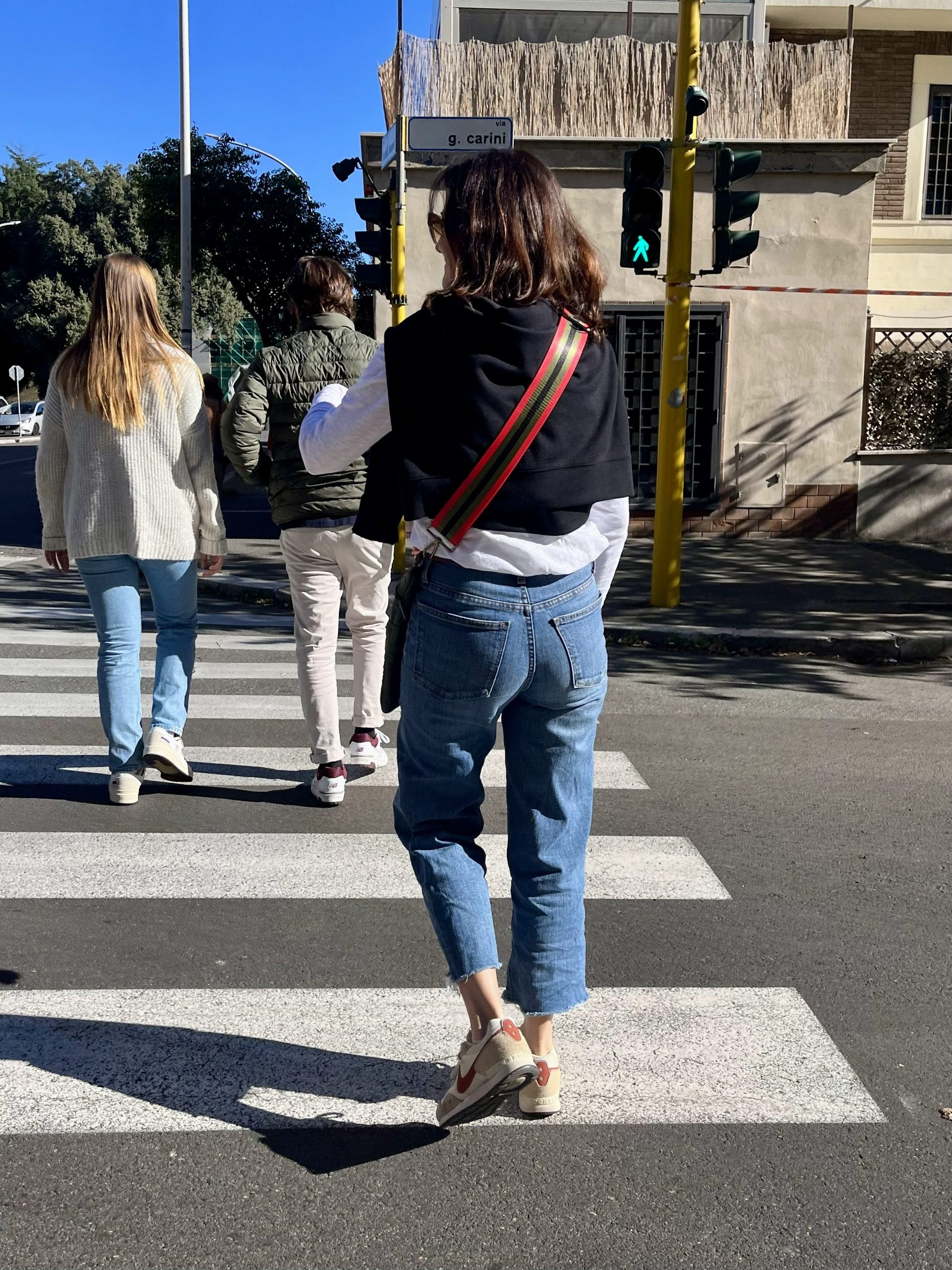



This is something I will need to learn to do when I move to Italy. I’m very much a planner – or am a planner in my American life. My Italian life will be different!