


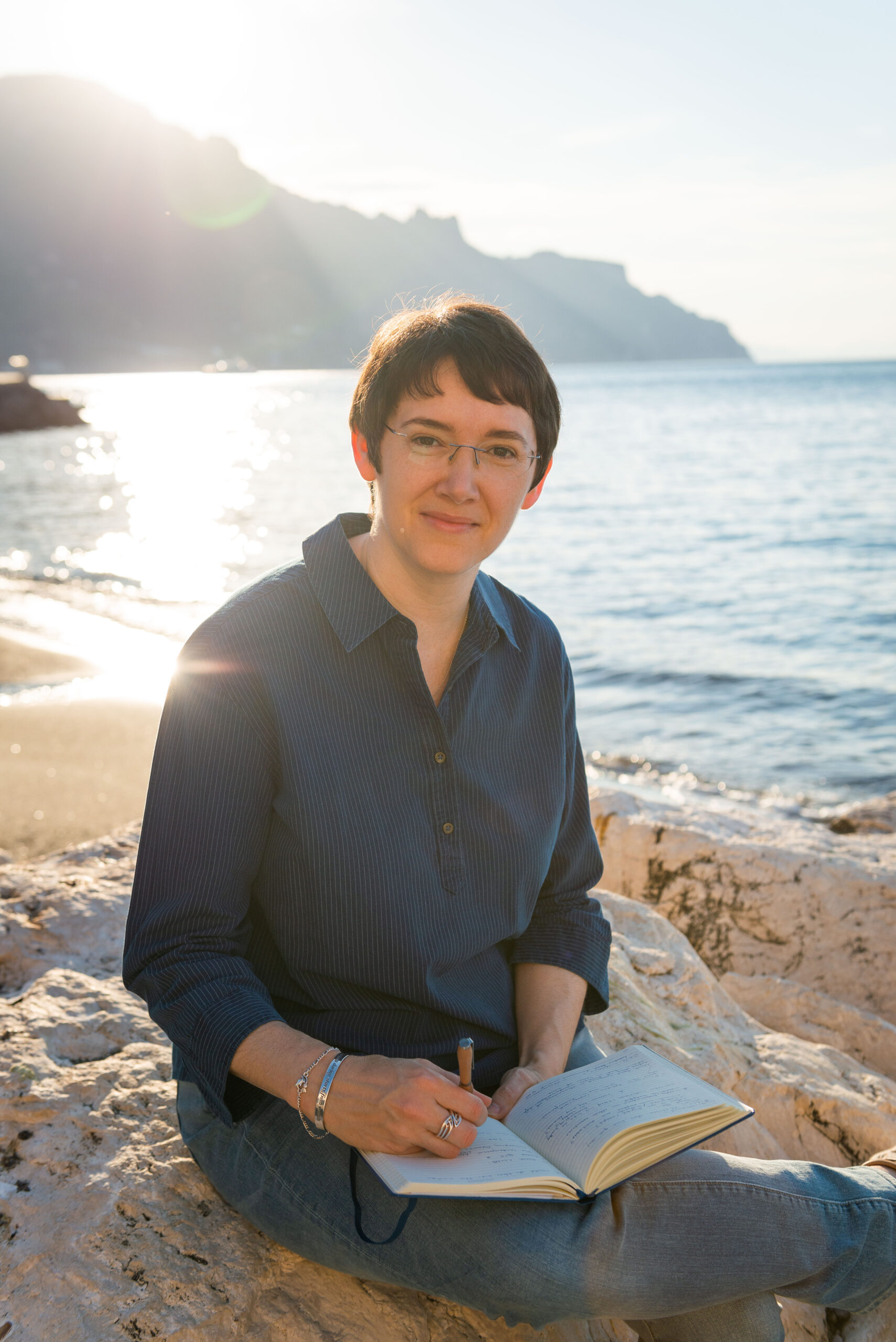


by: Laura Thayer
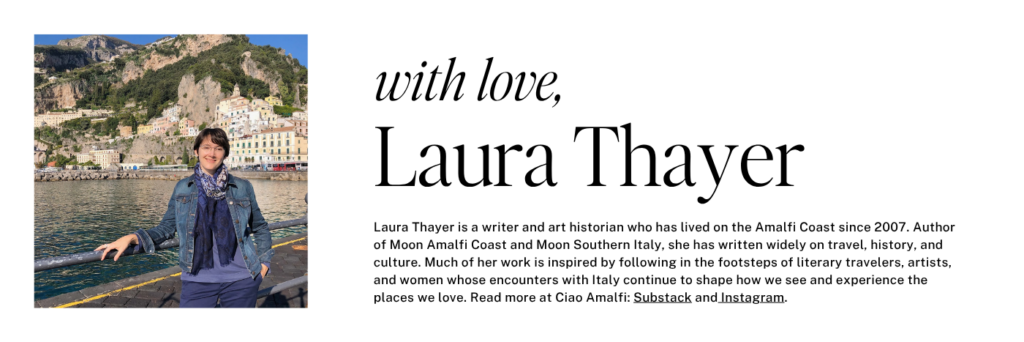
Perhaps I was always meant to be a writer. But what happened is this: I came to Italy in 2007, a last-minute decision to join my mother on a holiday to the Amalfi Coast.
Cue the love story.
I fell hard for Amalfi, one very beautiful cathedral, and my tour guide. I moved to Italy, married said tour guide, became an Italian citizen, and found the only thing I hope to ever do along the way — write.
Sometimes I wonder if in the version of my life where I didn’t take that holiday, would I have ever found my way to writing? I’d like to think so. Perhaps I would have taught art history, or maybe I would have written stories in some other place, in some other form. But without Italy, I’ll never know.
This is how Italy shaped my life — far more deeply than a location on a map or a move from one part of the world to another. As a writer, it shaped my interior and creative world, because my writing was entirely born of this place. As that writing developed, so did my love for travel writing, literary history, and the long tradition of writers who have tried to capture how Italy inspired them.
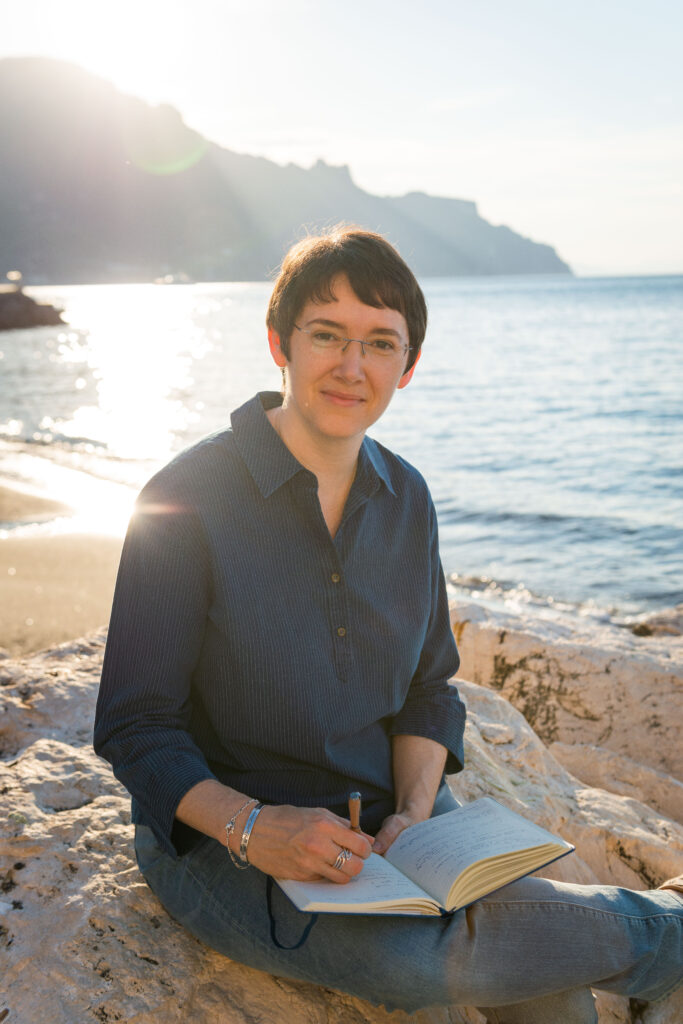
Along the way, something particular happened to me in reading women’s words about Italy. Across centuries — whether in celebrated books or forgotten travelogues — their voices offered a sense of recognition and shared experience. They helped me find my own words: first through a blog to keep in touch with family and friends back home, and later through travel and guidebook writing.
The women who came before
Living in a place that has attracted travelers for centuries, I’ve always been aware of the footsteps of writers who came before me — a great many of them women.
I love a good literary pilgrimage, especially the kind that ends with me standing in front of a house or a view where someone once tried to put a place into words. In my reading, I’ve felt a particular pull toward the more intimate traces women writers left behind: letters, diaries, postcards, private impressions that still hold the memory of a place seen and shared. I think of Willa Cather, a fellow Nebraskan, writing in 1908 from Ravello to Sarah Orne Jewett — the great writer of coastal Maine — trying to capture in words the beauty of a place they both knew. That exchange — two women connecting through Italy, through words — is what has captured my heart.
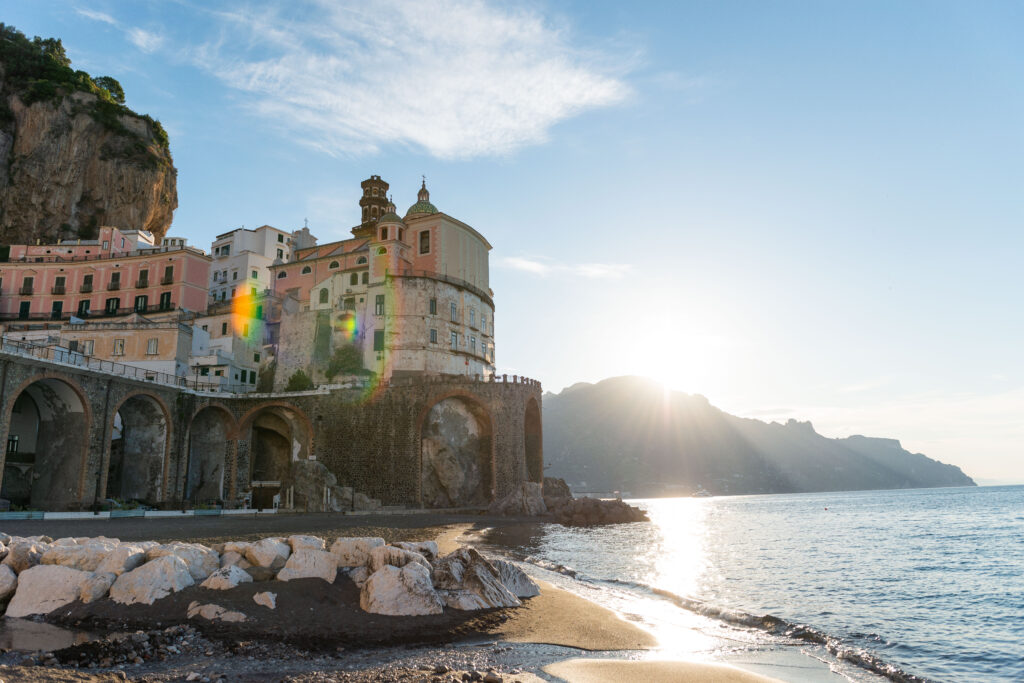
What drew me in was the way Italy enters a life and, so often, leaves a lasting mark. The more I read, the more I saw how these women’s words preserved that moment of transformation — when a place becomes a reason to connect, share memories, or inspire creative work.
What Italy does to a person
That transformative power doesn’t happen only to writers — although we might be particularly susceptible. It works its magic on anyone who comes here. My instinct is to say anyone who comes with an open spirit, but I suspect that’s not even necessary. This place has a way of cracking open even the most tightly closed hearts. Think of a modern-day Charlotte Bartlett in A Room with a View, or Mrs. Fisher in The Enchanted April. Just as it completely uprooted my life, Italy has a talent for finding the crack — and then leaving it up to you to decide what happens next.
But sometimes life’s most transformative moments are the hardest to put into words. It’s writers who capture what so many of us have felt: the way Italy changes and inspires us in ways that are difficult to explain. As I’ve shared more about these women writers and their travels, I’ve found I’m not alone in feeling the power of their work. While their experiences are each their own, there’s something in their words that feels remarkably in tune with ours.
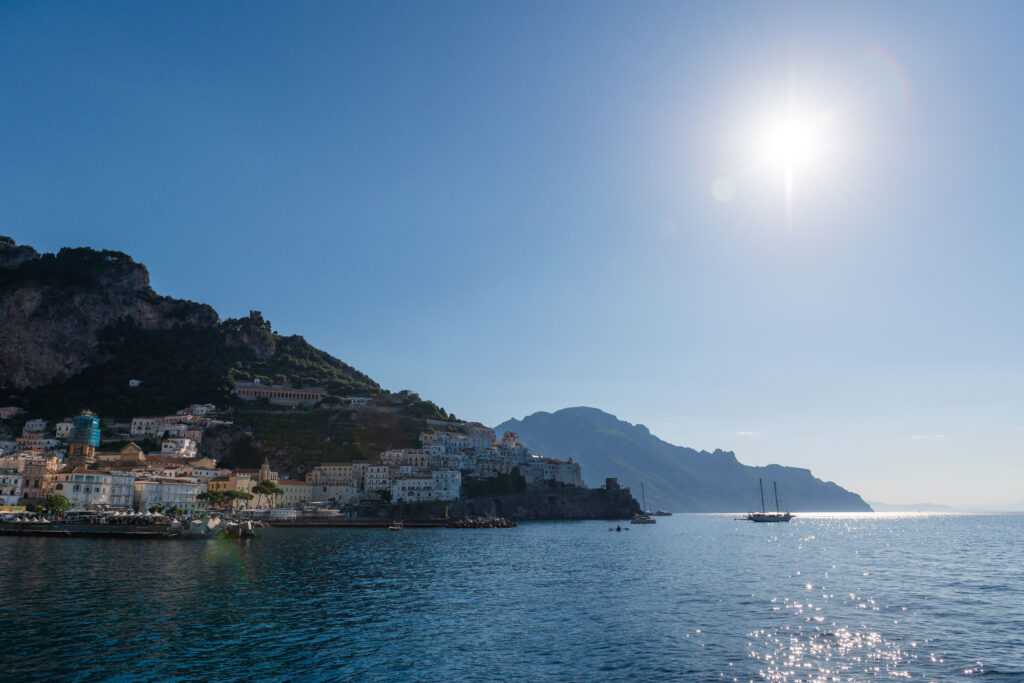
What was it for you? The sound of church bells ringing out from a crooked bell tower over Venice? Swallows swirling over the rooftops of Florence, the electric blue of the Mediterranean, or one particularly fetching cathedral? Those are a few of the moments Italy changed me.
Over nearly two decades, these and countless other experiences have become part of me. I’d like to think that the transformative magic of Italy continues to live within me — and as a writer, it must, if I am going about this at all correctly, find its way into what I write.
What this column is
This is Women Writing Italy — where it begins, and at the heart of where it will lead.
In this column, we’ll follow the traces women have left across Italy in words. We’ll look at everything from great novels to memoirs, travel writing, letters, diaries, and works in translation. You’ll encounter famous names alongside others I hope feel like discoveries. Some were travelers passing through; others wrote from within Italy itself. Together, their words offer a different way to understand this place.
We’ll move between centuries and genres — from celebrated literary travelers to women whose names deserve to be better known. We might wander into Harriet Beecher Stowe’s Sorrento, follow George Eliot’s travels through Naples, or head to the slopes of Mount Etna with Helena Attlee. We’ll go deep into Grazia Deledda’s Sardinia, enter the island world of Elsa Morante’s Procida, and meet women writing about Italy today. We’ll also explore translation — and the work of women bringing Italian authors to readers beyond Italy.
What I hope you’ll find here
If you’ve felt that pull toward Italy, if you know it has changed you, or will, but struggle to find the words, this is where I hope you’ll find writers who can. Perhaps you’ll discover a book for your next trip, a voice from the past that feels unexpectedly close, or a new way of understanding your own relationship with this place.
My hope is that these diverse and creative voices become part of your story of Italy. Whether you’re trying to capture your own experience in words, or simply find yourself reflected in someone else’s, each connection adds another layer. Through the women who have written Italy, we begin to understand how words can bring us closer to a place — and how Italy, in its way, is writing to us as well.


Ahhh, I cannot wait to read more of your writing! I’m a writer, too, though in a strange little niche that doesn’t involve travel (yet), and I’m deeply intrigued by how women have navigated their lives in and through Italy. I’m currently trying to write my great-grandmother’s story of leaving Alanno for the USA in 1908, a journey she didn’t want to take but felt she had no choice in the matter, as her husband had already left for the USA years before. Anyway, long comment to say that I’m very much looking forward to more of your work.