


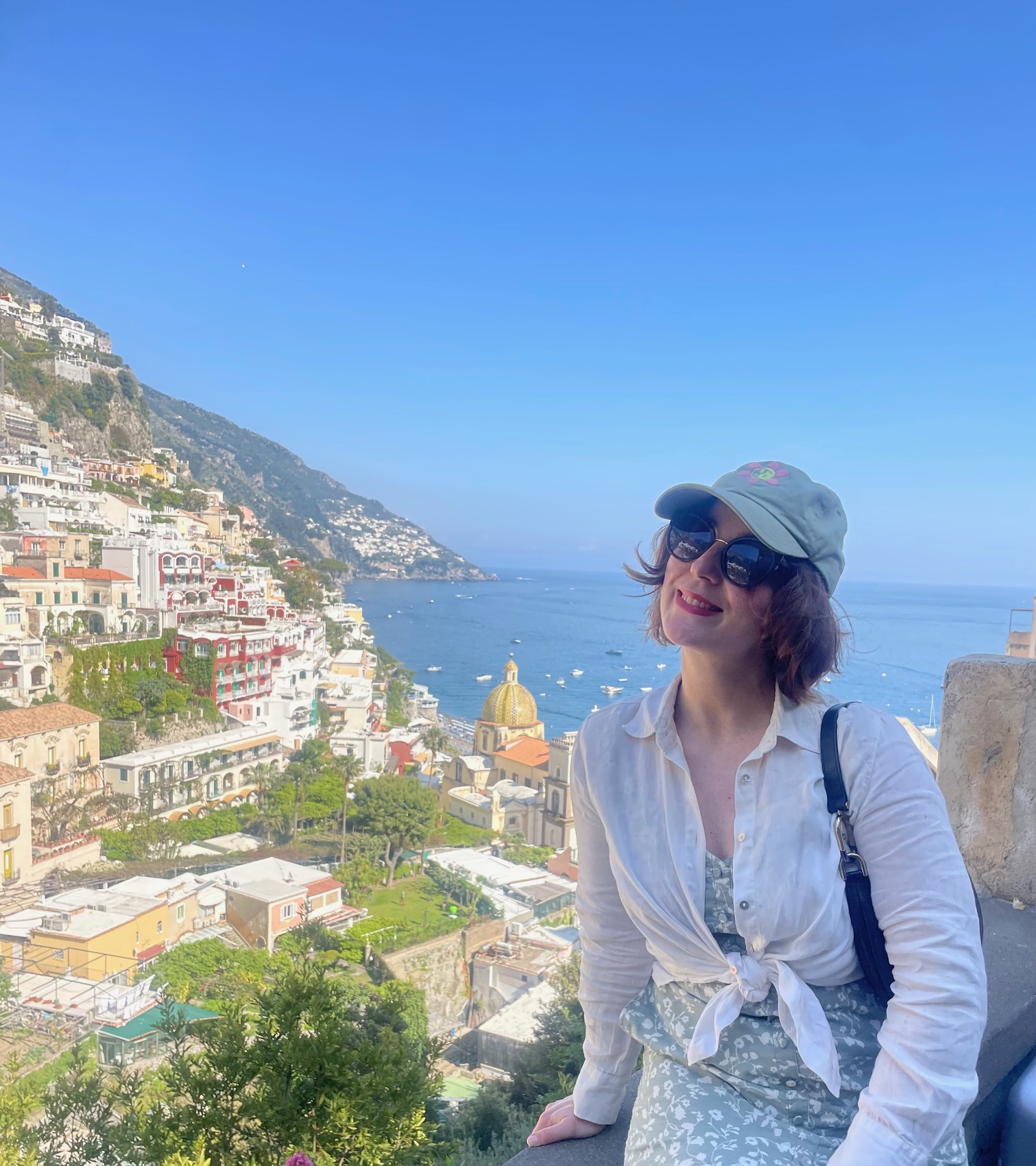


by: Sema Karaman
My personal reckoning came in the most unlikely place, an institution almost as old as Italy itself: the post office, or to be precise, Poste Italiane.
Before I arrived at the Poste, I had spent the majority of my life trying to be the most hyper-independent version of myself. I had lived in six countries, worked myself to the bone, and got myself a group of friends who kept me occupied with activities that made my life look very Instagrammable. I had dealt with everything from a visa application to finding a house to building myself a life without relying on anyone, and I took extreme pride in that.
As I held that little ticket with a number, waiting for my turn to speak to the postal worker about my permesso di soggiorno application, I had a rude awakening. I realized I couldn’t do this, Italy, on my own.
The tradition of the Italian transformation
Italy has long been a destination for women navigating a personal crisis.
Even before I moved to Italy, I read about the country in books written by women who arrive at the brink of a personal crisis, ready to transform their lives.
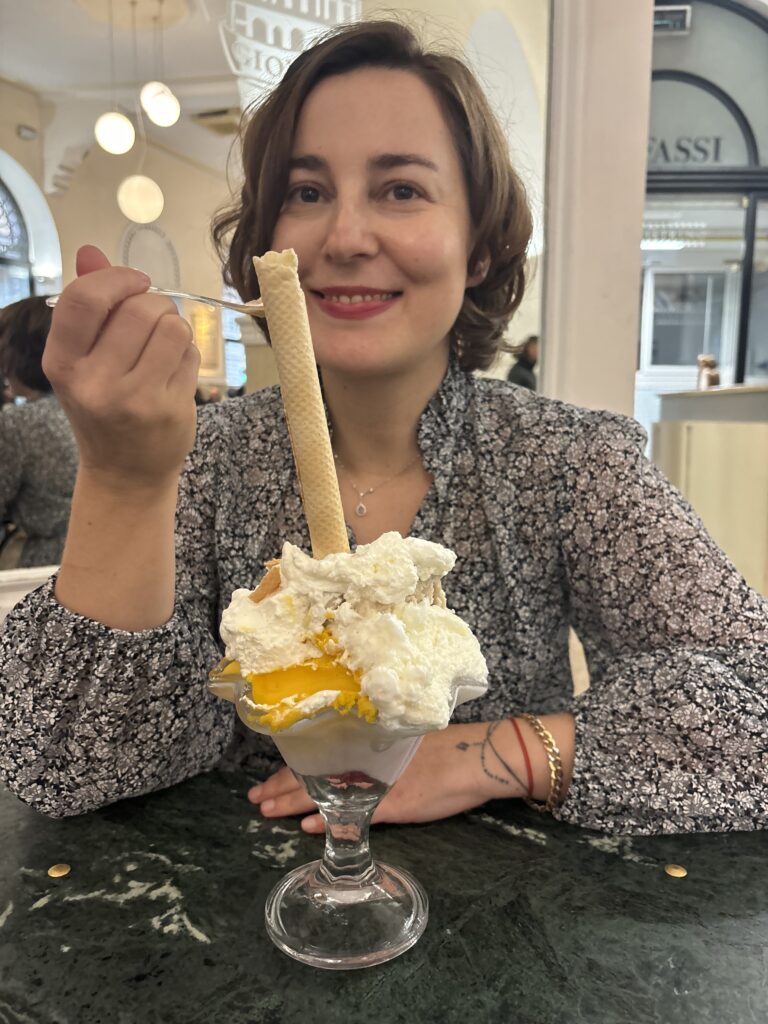
In Only in Naples: Lessons in Food and Famiglia from My Italian Mother-in-Law, Katherine Wilson writes about how Italy transformed her relationship with food when she was suffering from an eating disorder. In Bella Figura: How to Live, Love, and Eat the Italian Way, Kamin Mohammadi reflects on how she learned to connect to her body through food, rest, and community in Florence, in the aftermath of leaving a toxic job and a painful breakup in London. There’s also the very famous Eat Pray Love by Elizabeth Gilbert, which helped cement Italy in the imagination of women eager to shed what no longer serves them through wandering in cobblestone streets and eating gelato with a picturesque Rome as the backdrop.
Then there is the story of me, or women like me, who arrive in Italy at the precipice of something they can’t name. It’s not a breakdown and it certainly is not a personal crisis, but a metamorphosis nevertheless.
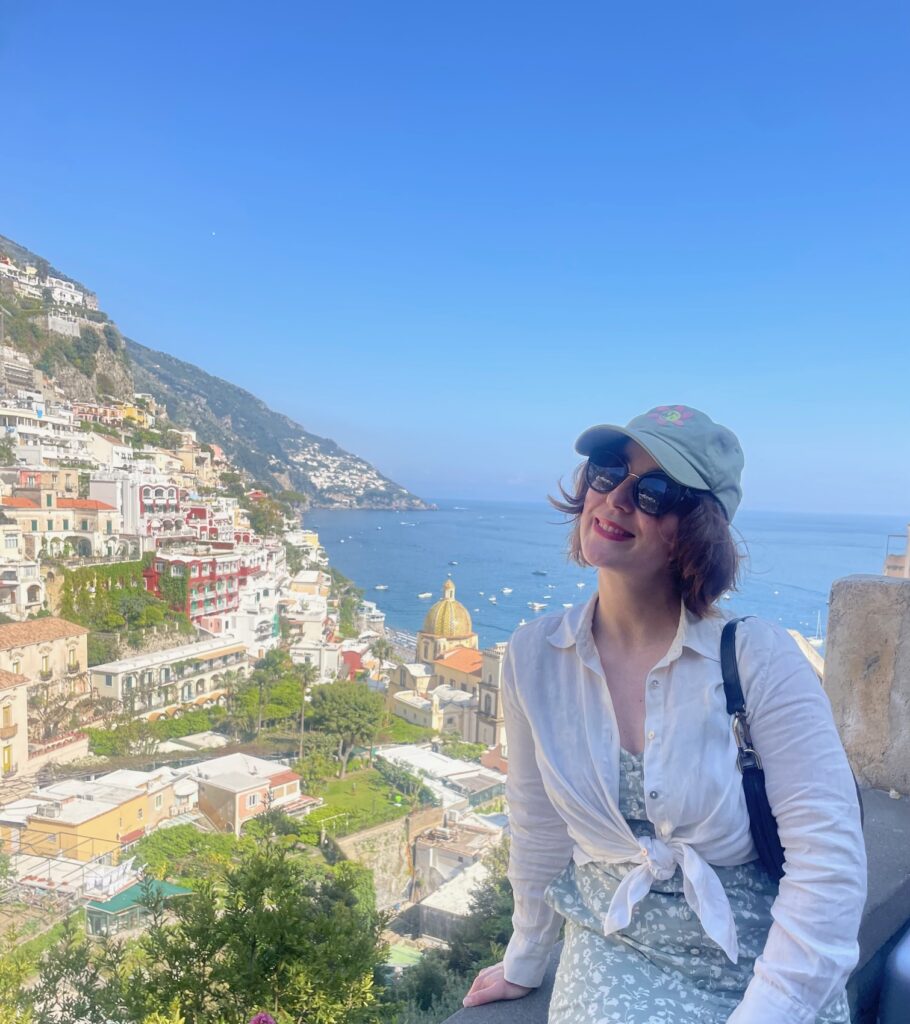
The anatomy of a quiet unraveling
I arrived in Italy happily married and excited about my life. Our society offers plenty of guidance for people navigating life after a breakdown. We know how to talk about a painful divorce, an abusive relationship, betrayal by friends or material loss. We don’t have the same skills or language for people who are unraveling because of something profoundly beautiful — like a supportive relationship, leaving their unfulfilling jobs to pursue creative work, or finally arriving in a place where they feel a sustained sense of gladness.
Before Italy, I was living in Berlin. I had built a career in tech, was financially stable, in love, healthy, and had a group of friends that always kept me busy. From the outside, my life was dynamic, eventful, and fun.
For me, it felt “meh”.
I wanted to tear down that facade of stability and accomplishment because I had this underlying suspicion that the life I was living wasn’t aligned with who I am.
Disrupting the memorized script
I moved to a country notorious for its lack of job security (something they don’t really mention in all those dreamy movies about Italy). I relocated to a city where I didn’t know anyone but my husband. I catapulted myself to a place where I didn’t speak the language or understand the healthcare system. I could tell something about my decision was risky, as people who knew me for a long time reacted with a worried “Are you sure?” and followed up in a few months to see if everything was still going well.
There’s a Turkish saying that captures what I was going through in my early days of moving to Italy: ezber bozmak. Ezber means memorization, bozmak means to break. Literally, it translates to “breaking what has been memorized,” or more loosely, “disrupting the script.”
Italy broke what I had memorized. Italy disrupted my script.
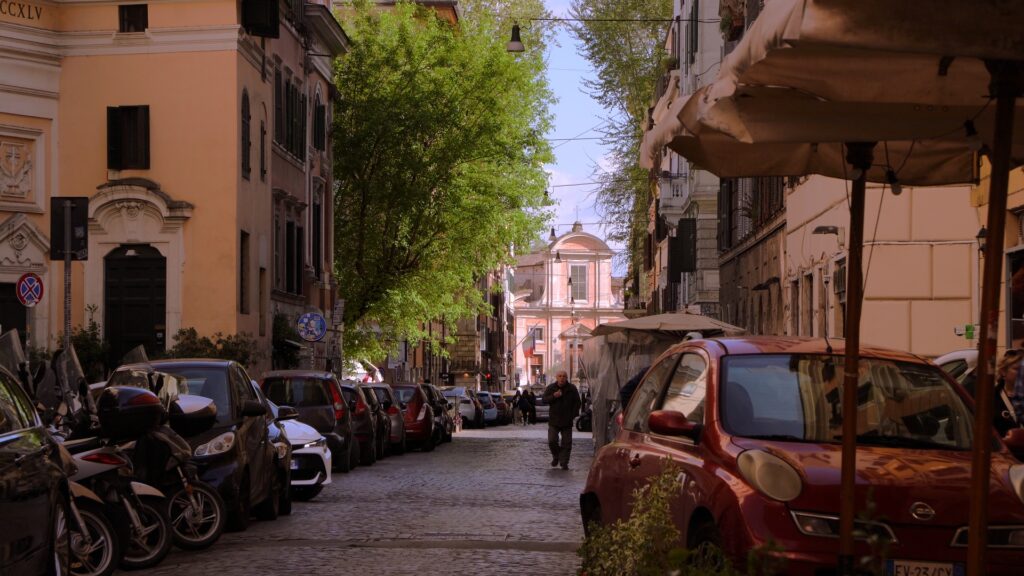
It was six months into my move to Rome, and I had met with a writer I was introduced to on Substack. As we sat in an energetic bar at Porta Pia in Rome, sipping cappuccinos, she asked midway through the conversation, “So how are you settling in Rome? Are you making any friends? What are your favorite places to go?”
I knew that not matching her energy and enthusiasm about my presumed bliss in Italy would be a strategic mistake, at least socially. I knew I should respond with tales of meeting the most interesting, lively people, driving around on my Vespa, sipping wine in cute wineries, indulging not only in history but also in carbonara, gelato, and mozzarella di bufala. The perfect dolce vita.
Instead, I responded, maybe a bit too blandly, “I actually don’t have any friends in Rome yet.”
Choosing presence over optimization
When we move to a new country, there is a subtle expectation that our new life should be an itinerary of places to be, people to meet, and things to do, and even more so if it’s Italy. We are expected to type A the hell out of a country that’s been ingrained in people’s minds as the ultimate destination for happiness — a place of pure joy.
When I moved to Italy, my biggest need was to quiet my mind.
I didn’t meet any new people, see any of Rome’s revered historical sights, or indulge in carbonara or gelato when I arrived. Doing so would mean falling into my old patterns, optimizing my life to check a list. Doing more than being, striving more than allowing.
What did I do instead? I went to the park and listened to the birds. I stared at the Tiber aimlessly. I had conversations with beautiful and ancient-looking Italian stone pines. I mourned and cried when I read an article talking about how they are dying from a disease.
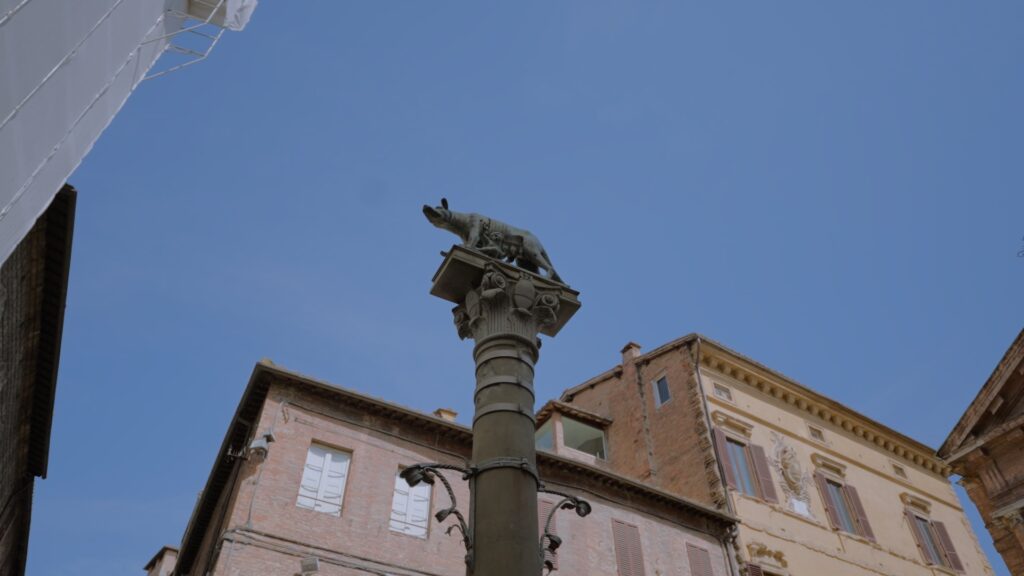
I fed the cat colony (stray cats) in our neighborhood and named each of them. I exchanged small talk with more strangers than I can remember at the bar, the supermarket, and in my neighborhood. I didn’t care if I would ever see them again.
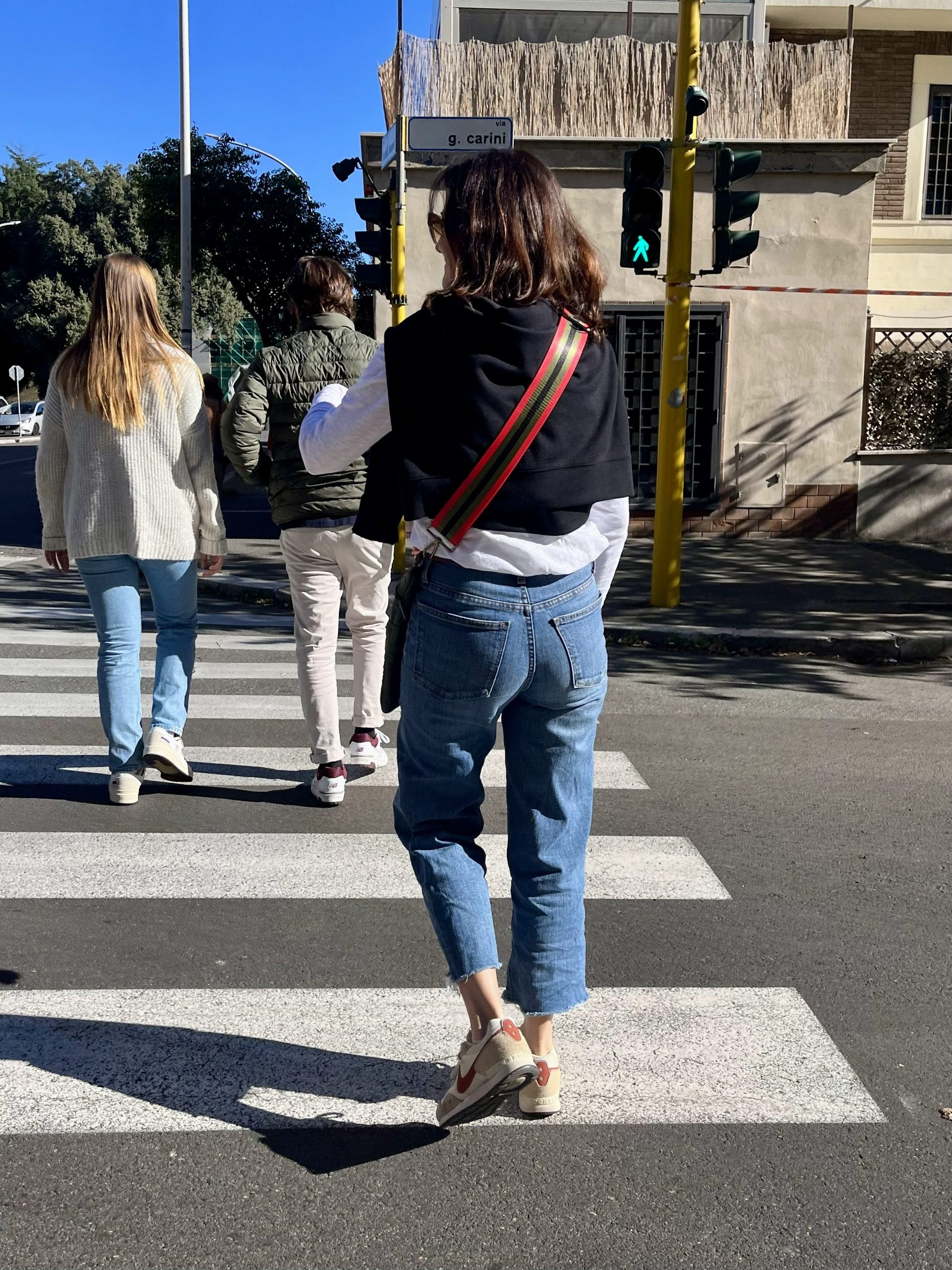
I joined two police officers helping an old man cross a street and offered to pick up a young child after he fell from his bike. (I’m ashamed to admit, something I’d be too busy to do in my old hustling life). I started getting weekly €20 blowouts at my local hairdresser, and realized letting a stranger wash your hair is a profoundly intimate act.
I didn’t treat charming Roman streets and their many inhabitants as simply the backdrop for my personal story. I surrendered myself to time so I could be one of them, albeit very slowly.
The safety of neighborhood dependence
When I stopped engineering my life to fit a postcard-perfect Italian fantasy, something spectacular happened. A whole neighborhood became my community — people I need, people who need me.
Like Lorenzo, who runs the coffee shop he inherited from his father and always encourages me to put my husband on a diet and practice my Italian. I need his coffee to mark the start of my day, and our unsolicited Italian classes, which come with plenty of inappropriate jokes. Likewise, he needs people like me and my husband to sustain his business.
Or, Giuseppe, who manages what I can only describe as a multi-purpose shop, doing everything from sending packages to testing your hearing to helping with Italian bureaucracy. Or the “independent” translator who helped me and my husband when we applied for a marriage certificate, and refused to accept payment because she is a “socialist who likes to support the neighborhood.”
Or Ana-Maria from Romania, who gives me my weekly blowouts, equal parts hairdo and therapy, as we confide in each other about our lives. But my favorite is Rebecca, a cashier at a Jewish bakery in our neighborhood, who always tries to give me a student discount, despite my repeatedly reminding her that I’m nearing 40 years old.
I would love to tell you that my transformation here in Italy is complete, but that would be a lie.
My new life in Italy, with its infinite personalities and unexpected happenings, is a journey unfolding. I am not interested in the outcome or where it will take me.
I am eternally grateful to Italy for giving me a journey, instead of a destination. More importantly, teaching me to surrender to not knowing what tomorrow will look like.
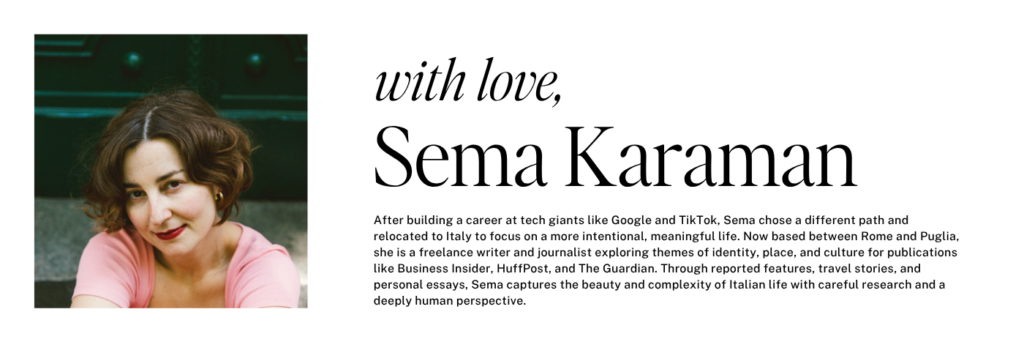
You can follow Sema’s writing on her Substack.

Sema, Thank you for sharing.
My story is very similar to yours. To live life slowly (piano, piano) and enjoy, appreciate, and see all the beauty in people, places, and moments in time each day. Italy is so deep within my soul and it is hard to find the words to describe how feel.
This is a beautiful piece. Thank you for sharing.