




by: Laura Thayer
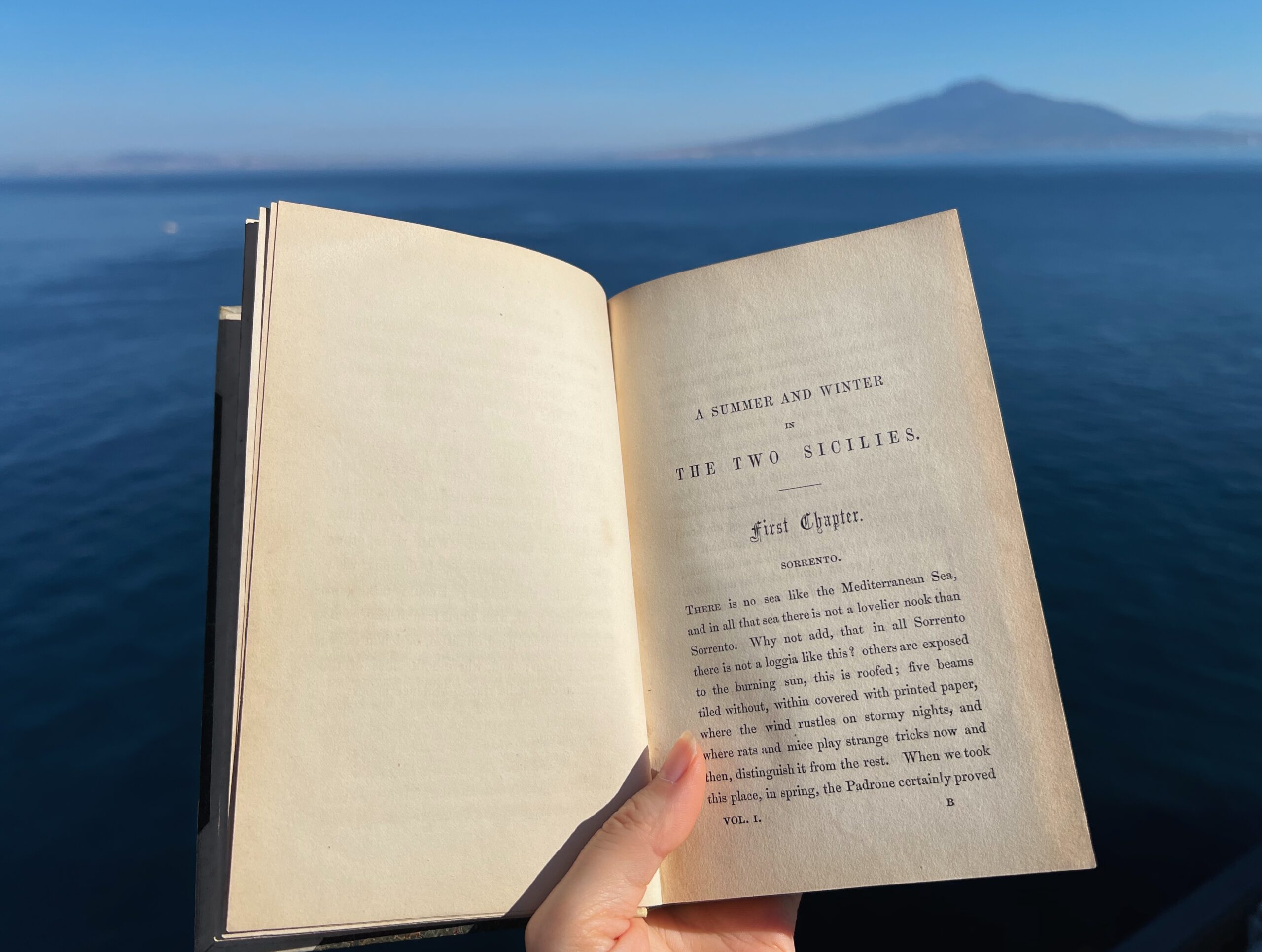
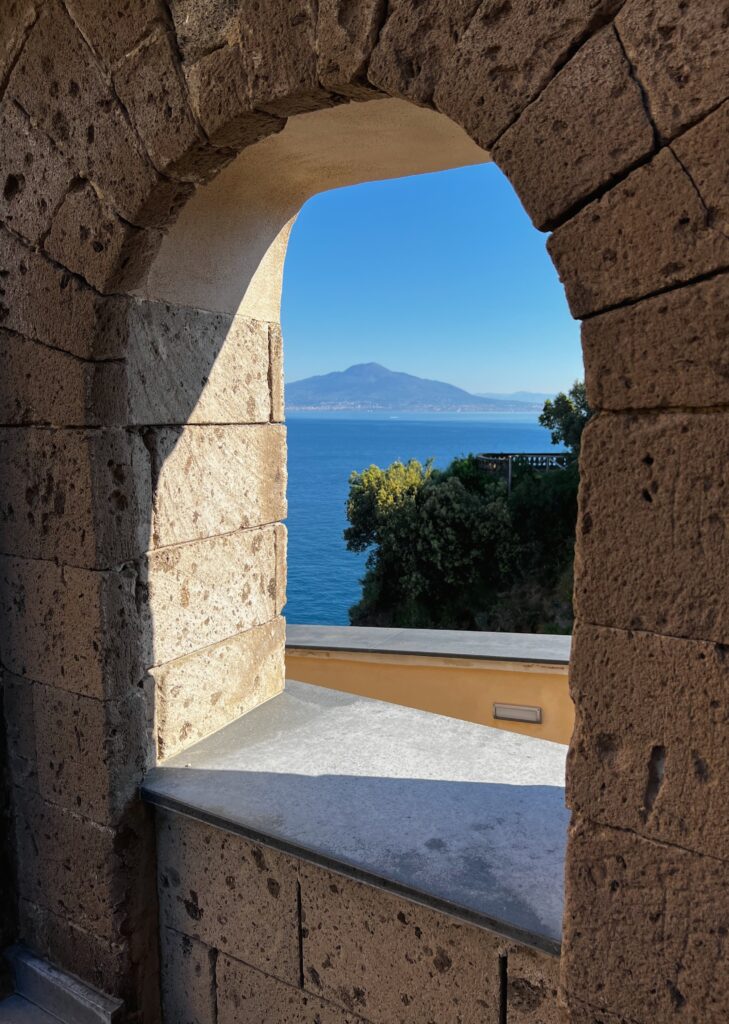
“There is no sea like the Mediterranean Sea, and in all that sea there is not a lovelier nook than Sorrento. Why not add, that in all Sorrento there is not a loggia like this?”
— Julia Kavanagh, A Summer and Winter in the Two Sicilies (1858)
A lovely loggia in Sorrento overlooking the Gulf of Naples is just the place to meet the Irish writer Julia Kavanagh (1824–77), who spent the better part of a year there in the early 1850s.
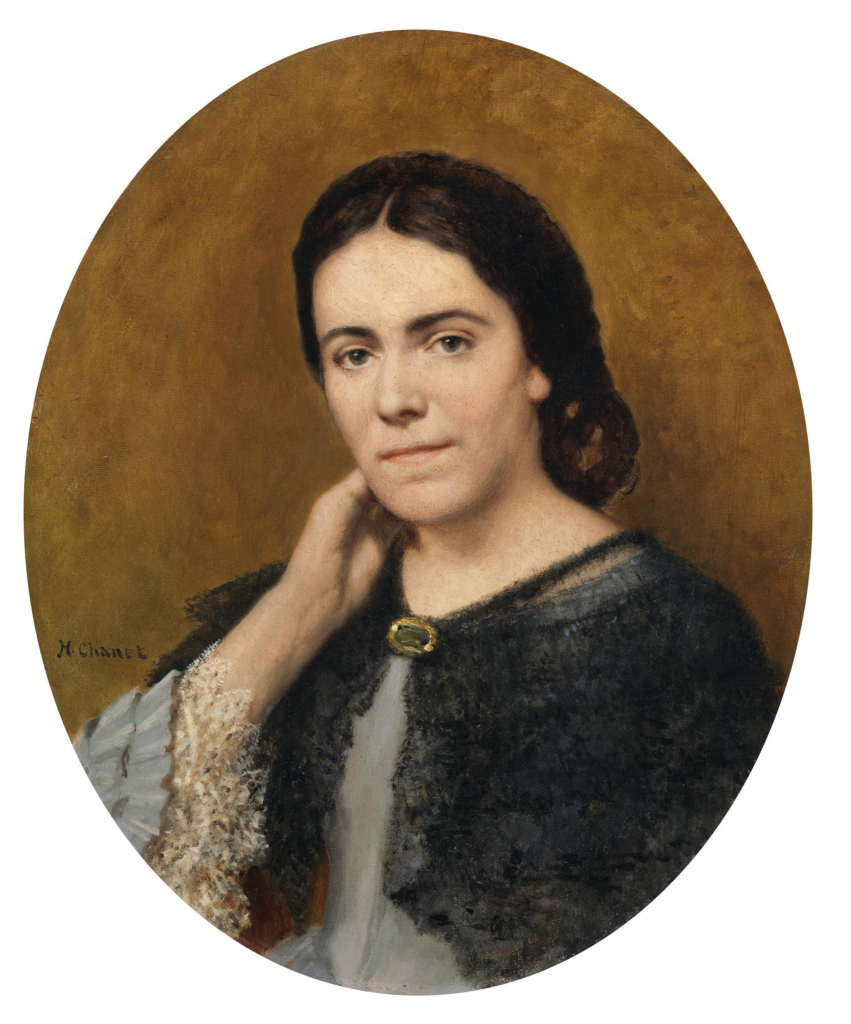
At the time, Sorrento and the rest of present-day Campania were part of the Bourbon-ruled Kingdom of the Two Sicilies, which brought together southern mainland Italy and Sicily. So taken was Kavanagh with Sorrento that she opened her two-volume travelogue A Summer and Winter in the Two Sicilies with this celebration of the town and its scenic setting. When the book was published in 1858, Kavanagh was already a well-known novelist, a favorite of Charles Dickens, and esteemed by Charlotte Brontë.
And yet you may well be asking: Who?
That such a well-loved and successful 19th-century writer could provoke that question is at the heart of Women Writing Italy. Let me introduce you to Julia through the story of how her writing found its way to me.
A Page from Longfellow’s Sorrento Journal
Just before Easter in 1869, the American poet Henry Wadsworth Longfellow (1807–82) was spending a rainy early spring day amid the same beautiful views Kavanagh had praised. He was on his final Grand Tour of Europe, which had taken him from England to Venice, Rome, Florence, and Sorrento. Although he did not generally keep a travel journal, Longfellow was inspired to begin one during his stay in Sorrento. On March 27, he jotted these lines:
“A brighter day. We change our quarters from the Sirena to the Villa Nardi, which has ample garden-terraces overlooking the sea, hundreds of feet plumb down. Part of the morning we give to buying the beautiful woodwork, the legni intarsi of Sorrento. In the evening read in Miss Kavanagh’s Two Sicilies, the description of her stay in Sorrento.”
That was my first “Who?” about Julia Kavanagh. I was curious to get my hands on the book Longfellow had been reading in Sorrento, all the more because it was a travelogue written by a woman.
In Sorrento with Miss Kavanagh
“Everyone has heard of Sorrento; everyone knows that it is the most delightful bathing-place and summer residence in the south of Italy; and, I believe, in the whole world.”
—Julia Kavanagh
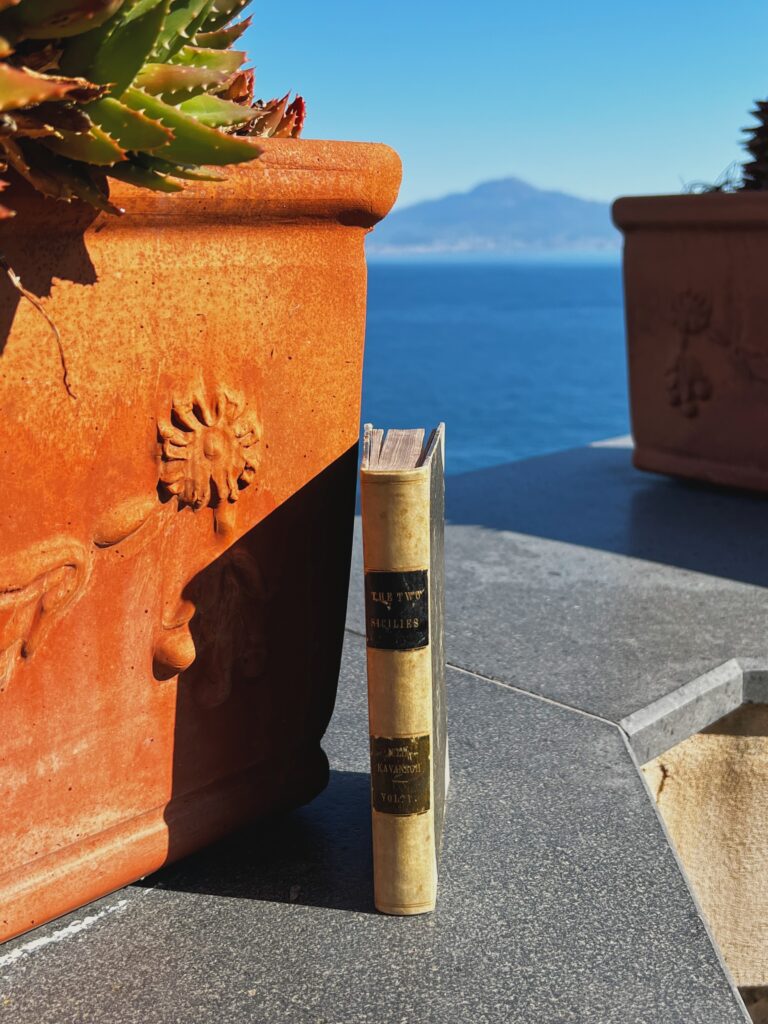
While I could have tracked down A Summer and Winter in the Two Sicilies to read online, there was something about actually holding the book Longfellow had read in Sorrento that captured my imagination. With a bit of online sleuthing — not nearly as enjoyable as perusing old bookshops in London, but it’ll do in a pinch — I found an 1858 edition that was too tempting to resist. While Kavanagh opens the book with Sorrento, she also writes about her time in Capri, the Amalfi Coast, Naples, Pompeii, and Paestum, before traveling on to Palermo and its surroundings in Sicily. Yet it is in Sorrento that she spends the most time.
It was time for Kavanagh to return to Sorrento. I tucked the first volume of her book into my backpack and set off to spend a few days there this spring. I even lucked out with my own version of Kavanagh’s loggia: a wisteria-covered pergola at the Villa Crawford, once the home of American writer Francis Marion Crawford (1854–1909). There I sat turning the pages of Kavanagh’s book, getting lost in her descriptions of Sorrento from nearly 175 years ago.
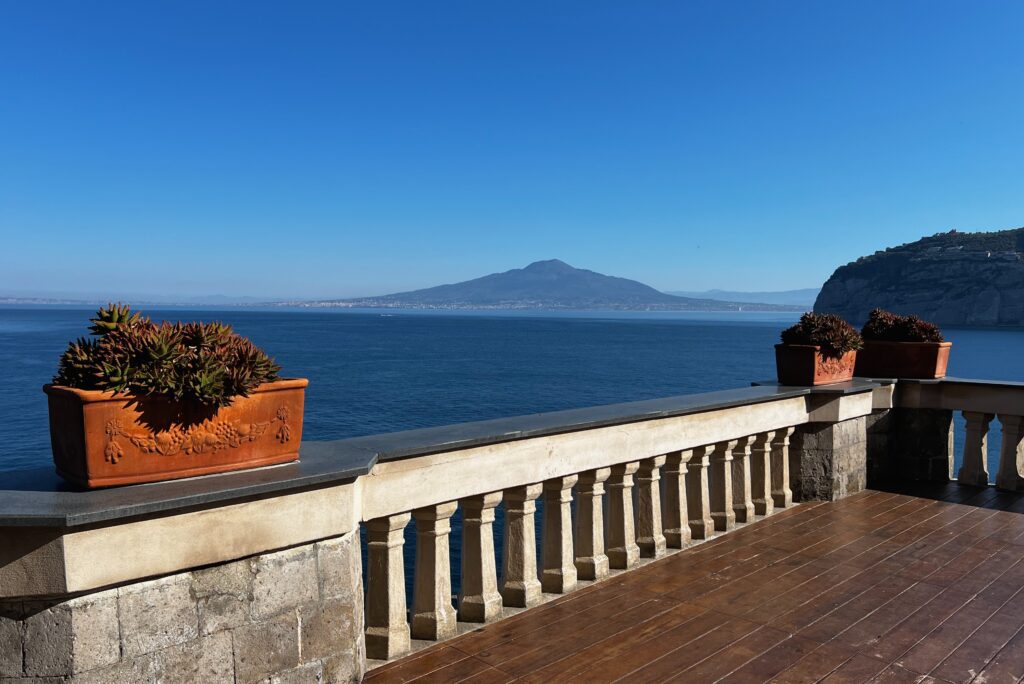
The Sorrento that emerged felt remarkably familiar, yet at times it was also like stepping into a 19th-century landscape painting of the coastline. While I’ve read many descriptions of Sorrento by travelers over the centuries, this was the first time I had encountered it from a woman’s perspective. And not just any woman: a novelist. Here was Italy captured by an excellent observer and writer, with precisely the eye for detail you would expect from a novelist.
Kavanagh doesn’t simply record what people are doing or describe local traditions. She introduces the locals she meets in a way that allows them to tell their own stories.
Yes, she includes descriptions of women’s clothing and habits — details expected of female travel writers in the 19th century — but she also notices the challenges, limitations, and possibilities open to women living in Sorrento. The short version: marry or enter a convent.
These cultural details, which a male travel writer would have missed or simply not had access to, reveal how, as Kavanagh scholar Eileen Fauset wrote, she was “as actively interested in women’s place as she is in the art, landscape and all the aesthetic bounties” of Italy.
Born in Ireland, Kavanagh left as a young child and spent the rest of her life living between London, Paris, and Nice. By her early 20s, she was supporting herself and her mother through her writing, and she would go on to write over 20 novels, most set in France. Her interest in women’s lives also extended beyond fiction. She wrote several works of literary biography, including Women in France during the Eighteenth Century (1850), French Women of Letters (1862), and English Women of Letters (1862). It is here that she writes of the importance she felt as a woman “in rescuing from forgetfulness the labours and the names once honoured and celebrated of other women.”
With a grateful nod to Longfellow and his travel journal, I found Kavanagh’s writing and spent this time rediscovering her life, voice, and beautiful descriptions of Sorrento.
I’ll always wonder how Longfellow came to be reading A Summer and Winter in the Two Sicilies during his time in Sorrento. Could his friend Dickens have suggested it, or perhaps even given him a copy, when the two met in England in 1868? We’ll likely never know, but I love the idea of books passing from friend to friend and down through the generations. That is one way we can play our part in “rescuing from forgetfulness” the women writers who came before. And if this has inspired you to read Kavanagh’s entertaining account of her travels through southern Italy, now you’ll know exactly how it ended up in your hands.
Sorrento’s Lasting Inspiration
“… Enchantment is to be found in Sorrento. The purity of the atmosphere, the stillness of the air, the low dash of waves on the beach, the cliffs crowned with gardens, villas, and convents, Vesuvius smoking quietly, the islands lying on the horizon like purple clouds, the white boats gliding away, give a sense of serene and happy beauty. It is very sweet to feel, very hard to talk about.”
— Julia Kavanagh
From just my first encounter with Kavanagh’s writing, it’s clear that Sorrento remained in her imagination long after she left. In 1870, nearly two decades after her stay, she published Silvia, a novel that opens at a masseria on the heights above Sorrento, with a loggia overlooking the bay and Vesuvius. It’s a setting that is right out of the landscape she described so beautifully in A Summer and Winter in the Two Sicilies.
Yet it wasn’t only Sorrento’s beauty that stayed with her.
Kavanagh looked closely at the people and traditions around her, not as stereotypes or clichés, but as individual lives and stories. She introduces us to Carmela, a simple yet industrious young woman living a hard life on her family’s farm. She recounts conversations with the men who rowed her along the Sorrentine Peninsula and to Capri, as well as time spent beneath the lemon groves and at local festivals.
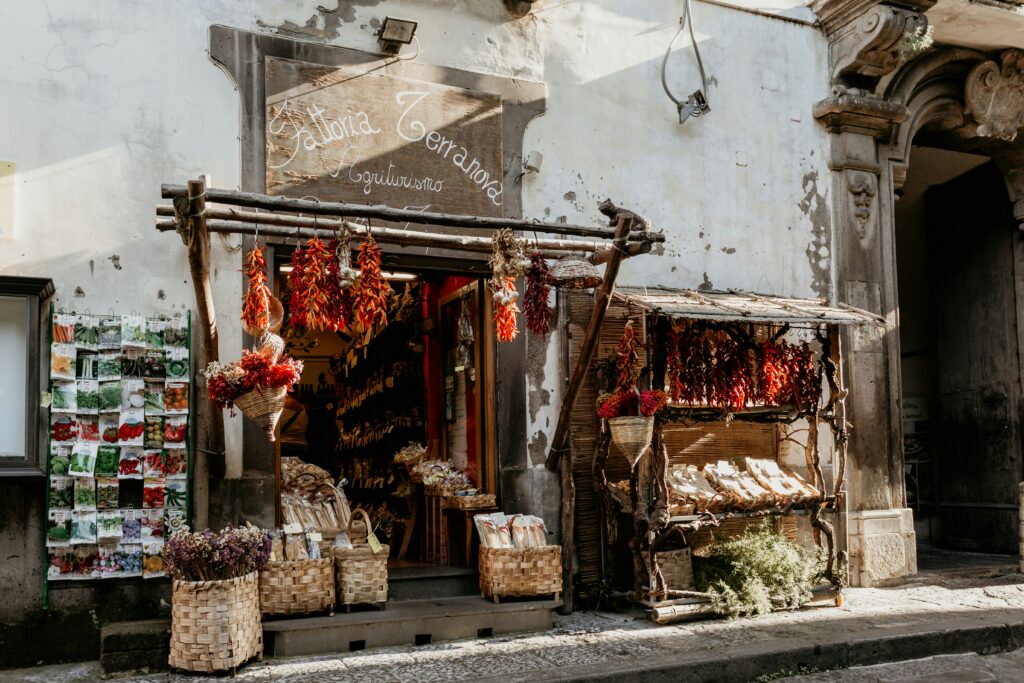
While time has passed, these are experiences we can still have today.
Sure, the white boats gliding by are ferries now and, thankfully, Vesuvius is no longer smoking. But that serenity is still there, especially if we travel a little more like Julia Kavanagh. Linger longer in one place. Pay attention. Really listen to the stories of the people you meet along the way. And if you’re lucky enough to be in Sorrento, give yourself time to succumb to its serene and happy beauty. I’ll second Kavanagh: it is very sweet to feel.
You can follow Laura’s work on her Substack “Ciao Amalfi” or Instagram.
This post contains affiliate links. If you buy through these links, we may earn a small commission at no extra cost to you.



A beautiful, descriptive article.